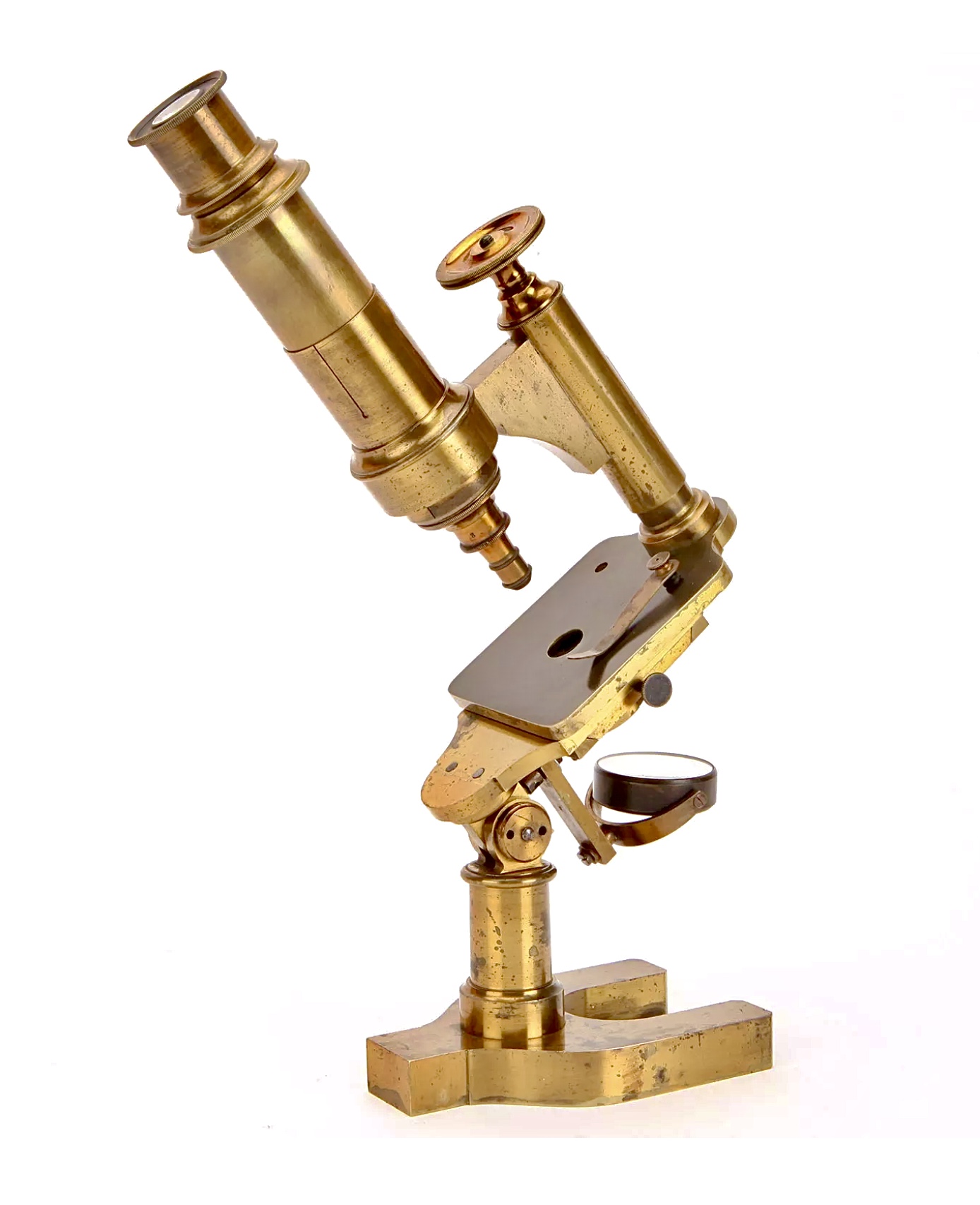
The SEIMC Collection
The SEIMC Collection is the first part of the Perea-Borobio Collection, a set of microscopes that brings together models of scientific instruments used in Medicine and especially in Medical Microbiology. It corresponds to the donation to the Spanish Society of Infectious Diseases and Clinical Microbiology (SEIMC), founded in 1984 and which is currently one of the most important medical societies in the country. Being Doctors Perea and Borobio founding partners of this institution, in 2016 they made a donation to this Society, consisting of various old laboratory instruments and twenty historical books on infectious diseases and medical microbiology, which constitute historical milestones in the development of these two medical specialties.
Finally, this donation included thirty-one microscopes, which represent the evolution of this instrument as a means of diagnosis and research in biomedicine. This group of microscopes is made up of devices used from 1770 to 1960. It begins with a simple portable microscope designed by Dr. William Withering, which allowed him to identify the digitalis producing plant and which Charles Darwin would also use on his travels, to modern binocular microscopes made in 1960.
The purpose of the SEIMC Collection is to show the evolution of the microscope over time as an instrument. It allows to appreciate the improvements of these interesting devices in the field of optics to obtain more magnification; in focus systems, becoming more and more sensitive and precise; in the stands to gain stability and lightness and in its portability to carry out field studies.
This donation can be visited and is deposited at the SEIMC headquarters located at C / María de Guzmán, 58, Madrid, 28003. Contact telephone number 915233099 or by email seimc@seimc.org
1. Pequeño microscopio portátil Whitering. c.1780.
10. Microscopio monocular Beck & Beck. c.1872.
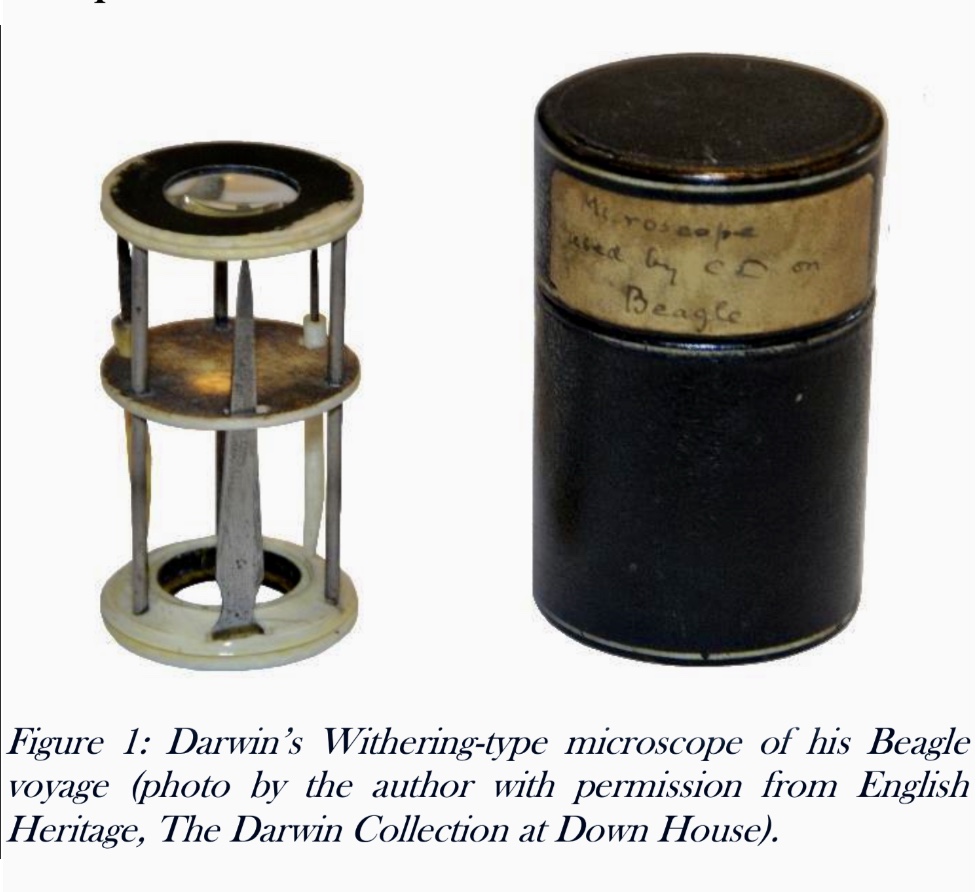
1. Pequeño microscopio portátil Whitering. c.1780.
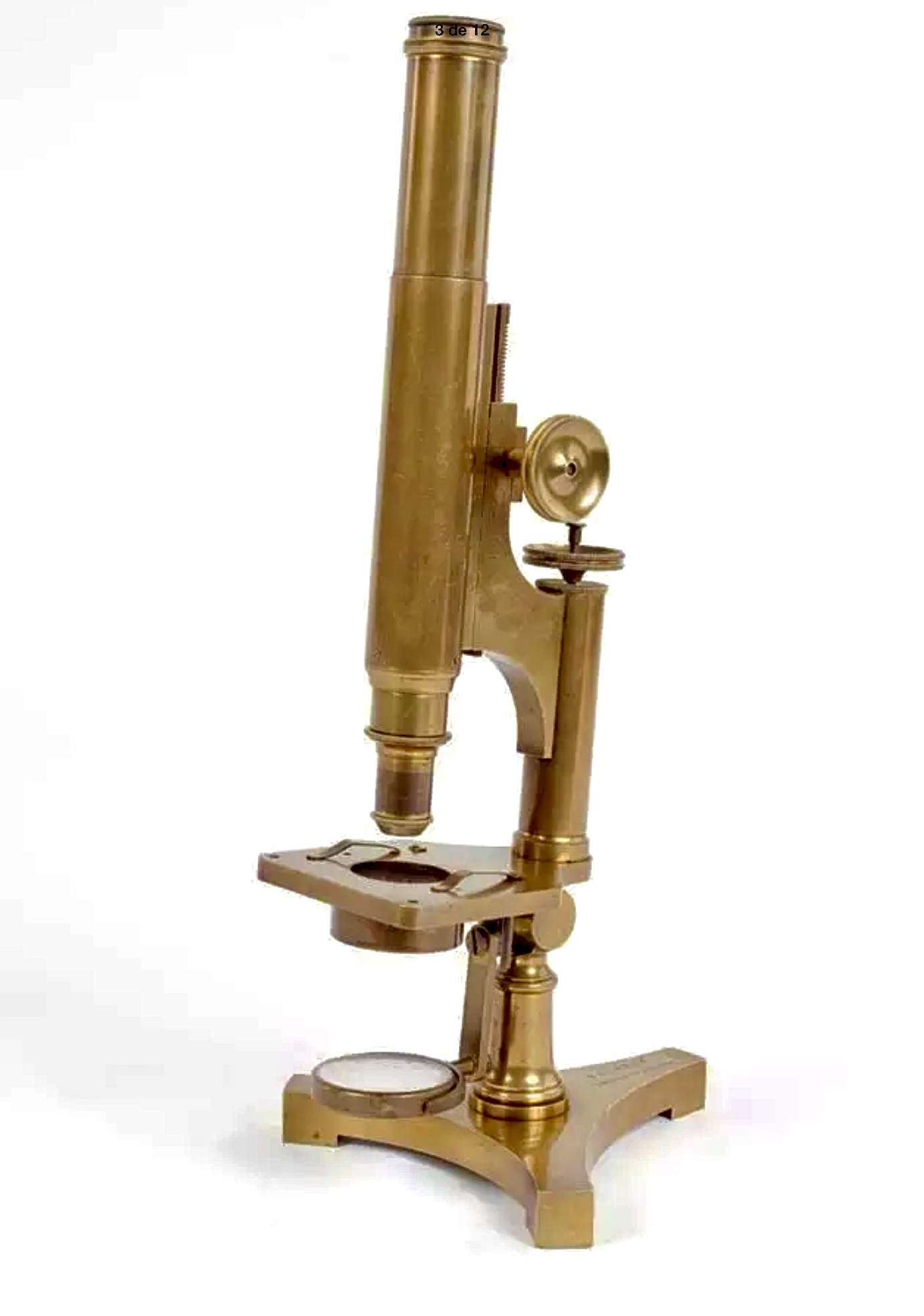
10. Microscopio monocular Beck & Beck. c.1872.
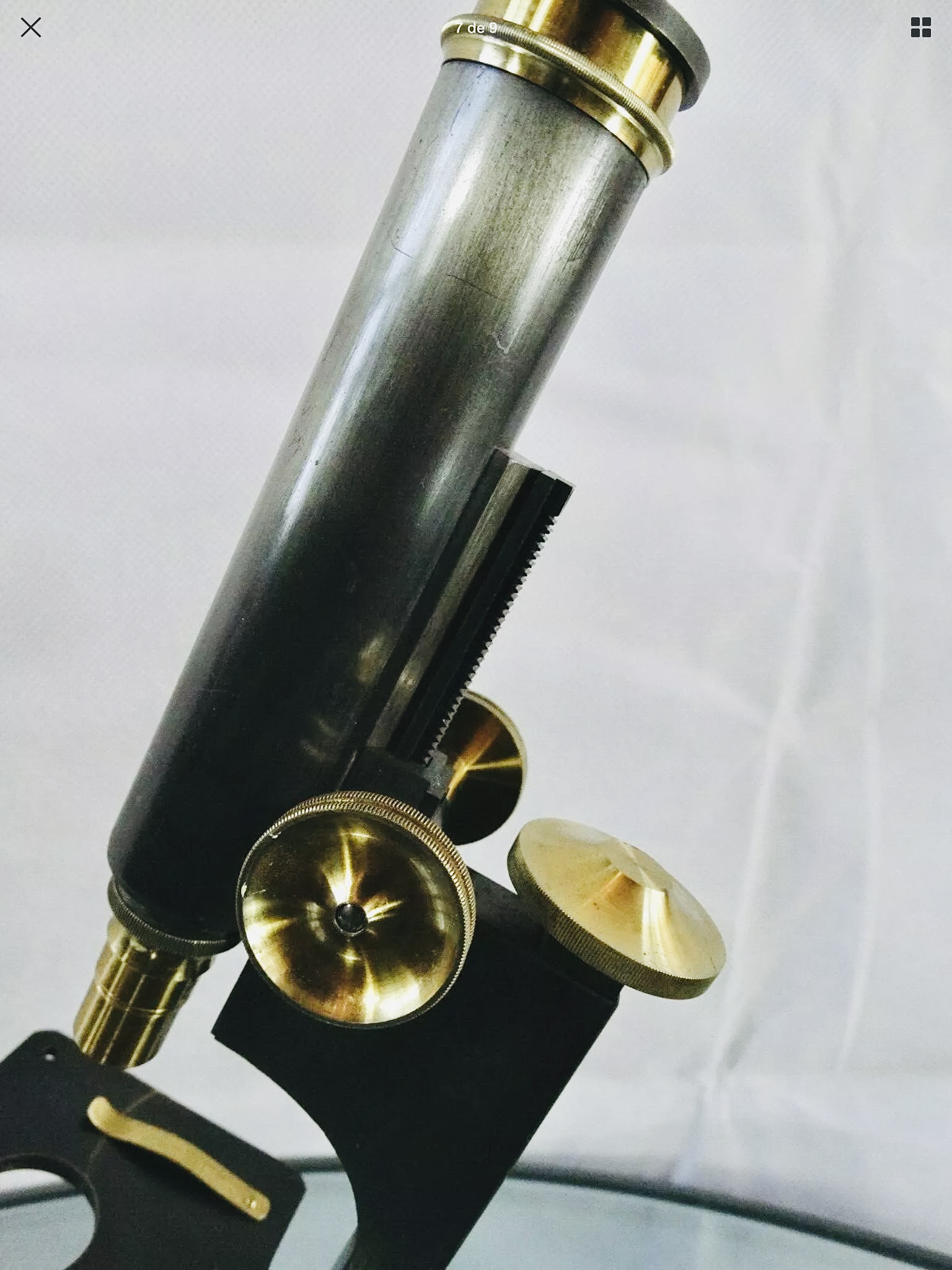
11. Microscopio monocular compuesto. R&J Beck. Londres. C.1876. Modelo «Star».
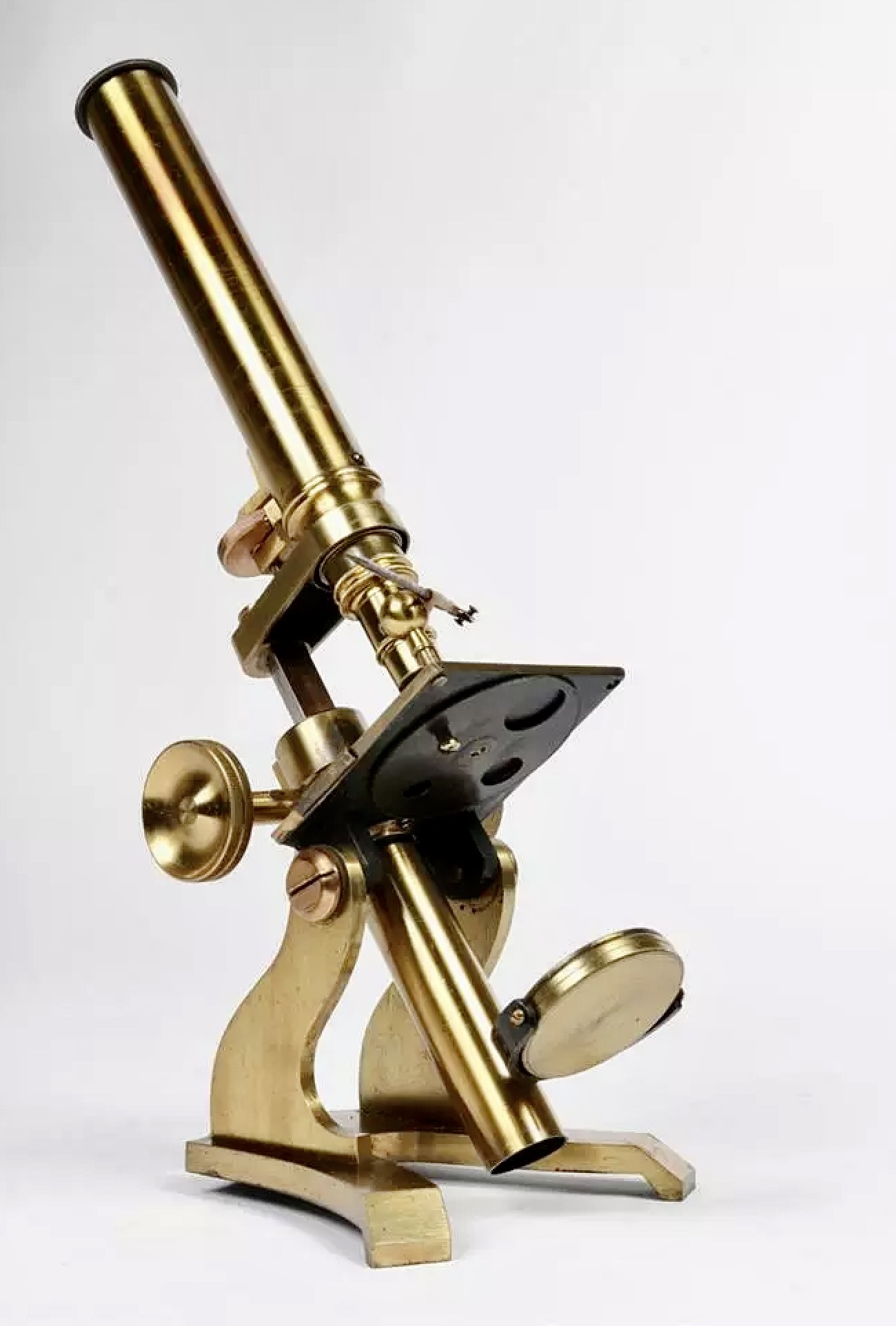
12. Microscopio monocular simple. W. Johnson. Londres 1860. Modelo “Society of the Arts”.
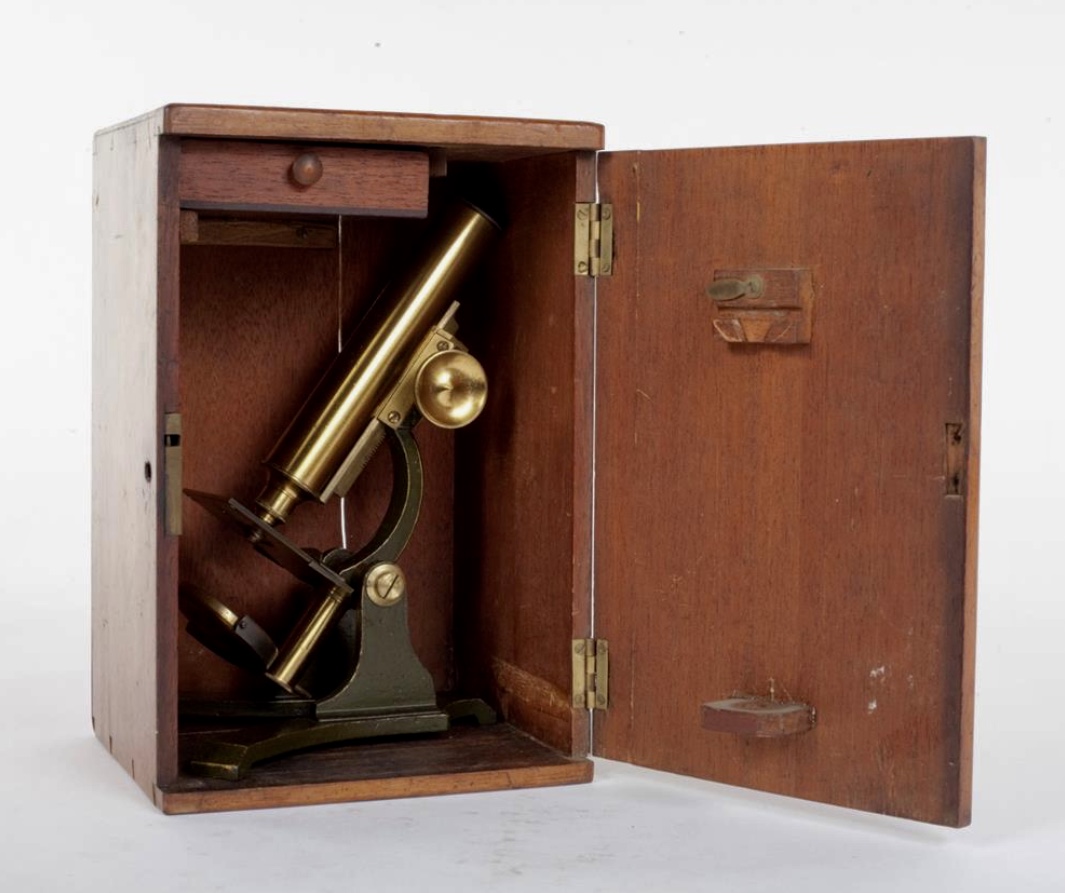
13. Microscopio monocular. J.T. Slugg. Manchester. 1865. Modelo “Dos guineas”.
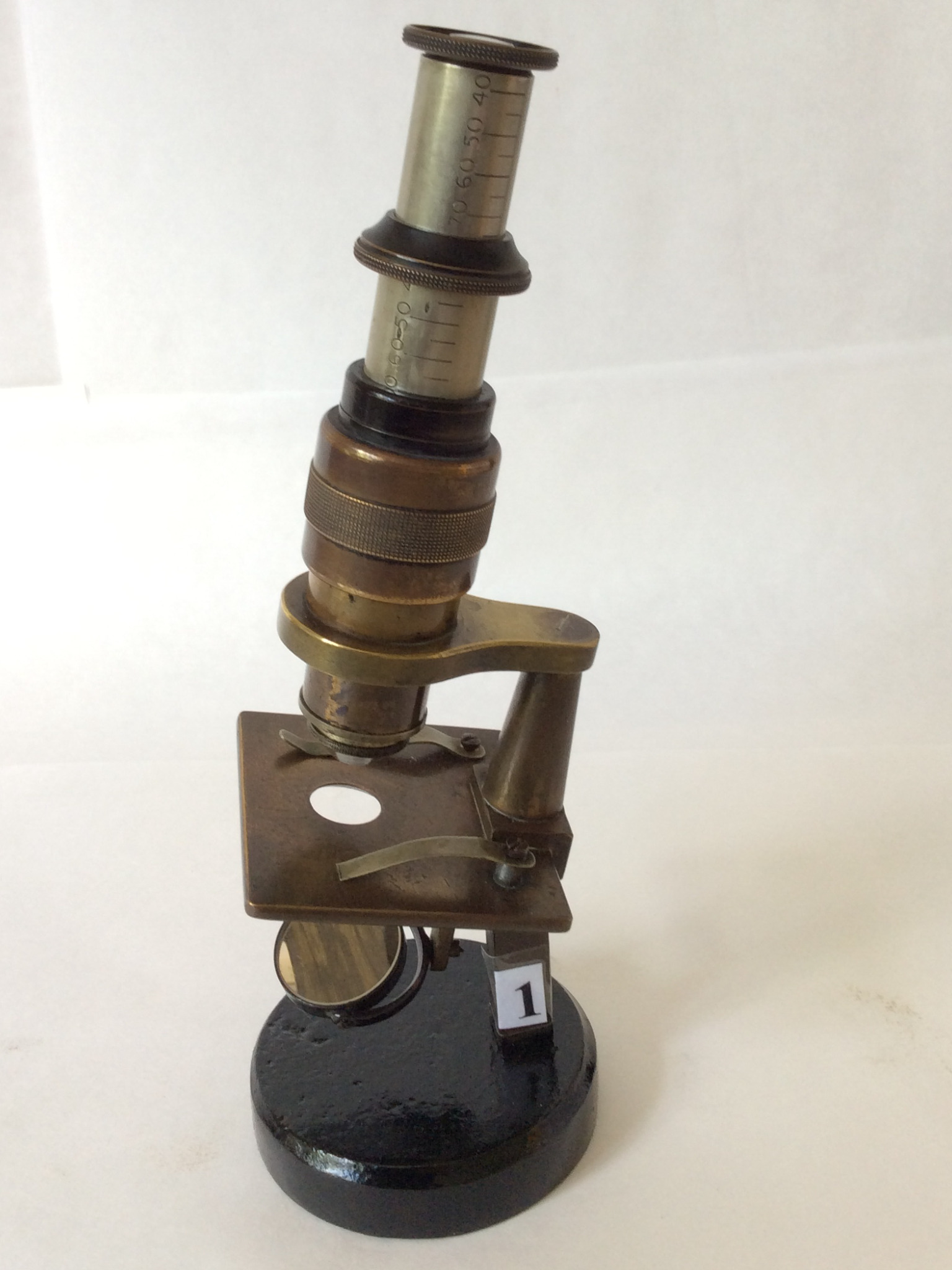
14. Microscopio monocular simple. C. Baker. Londres. c.1850
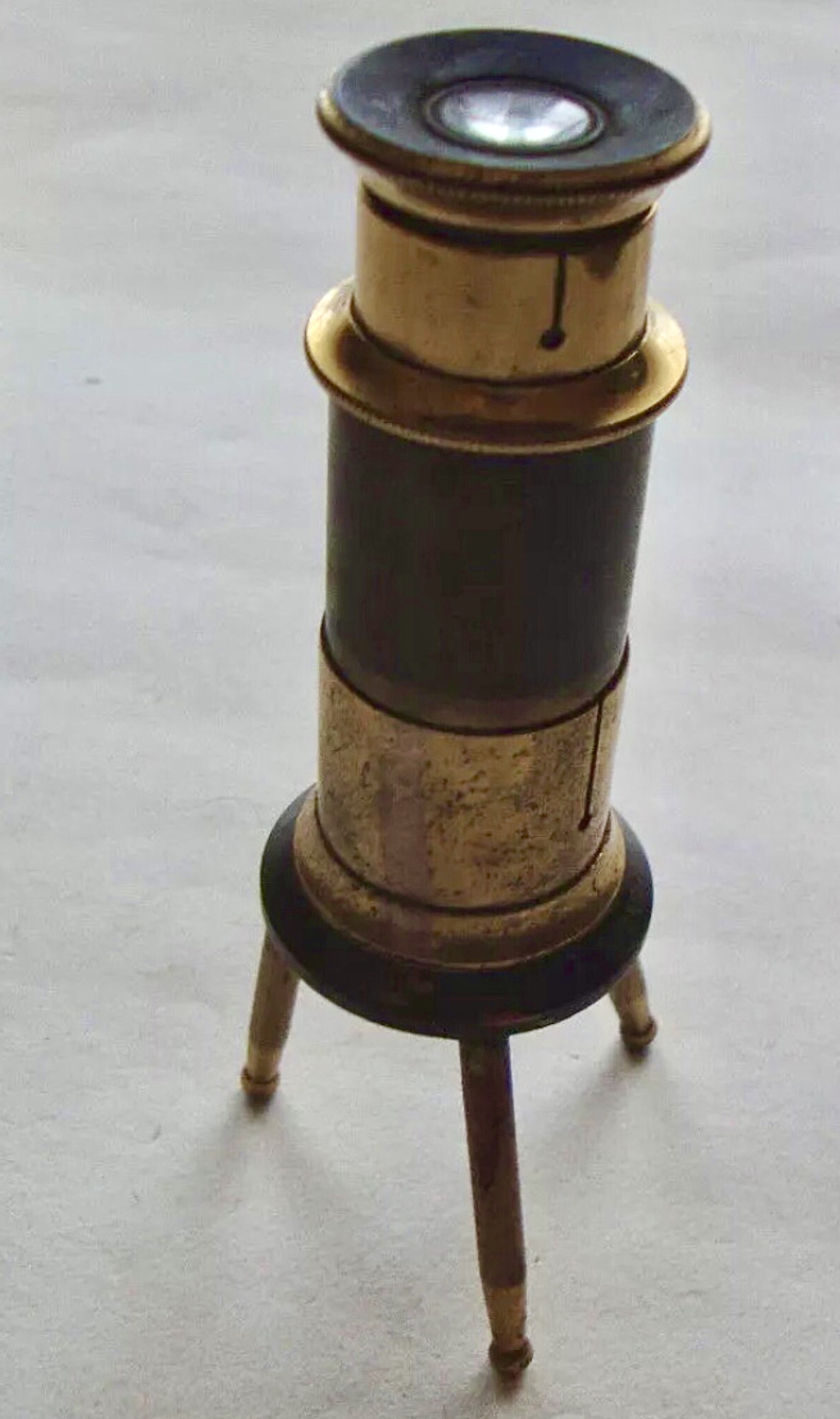
15. Microscopio portátil fabricado por Hunter Penrose. Londres hacia 1900.
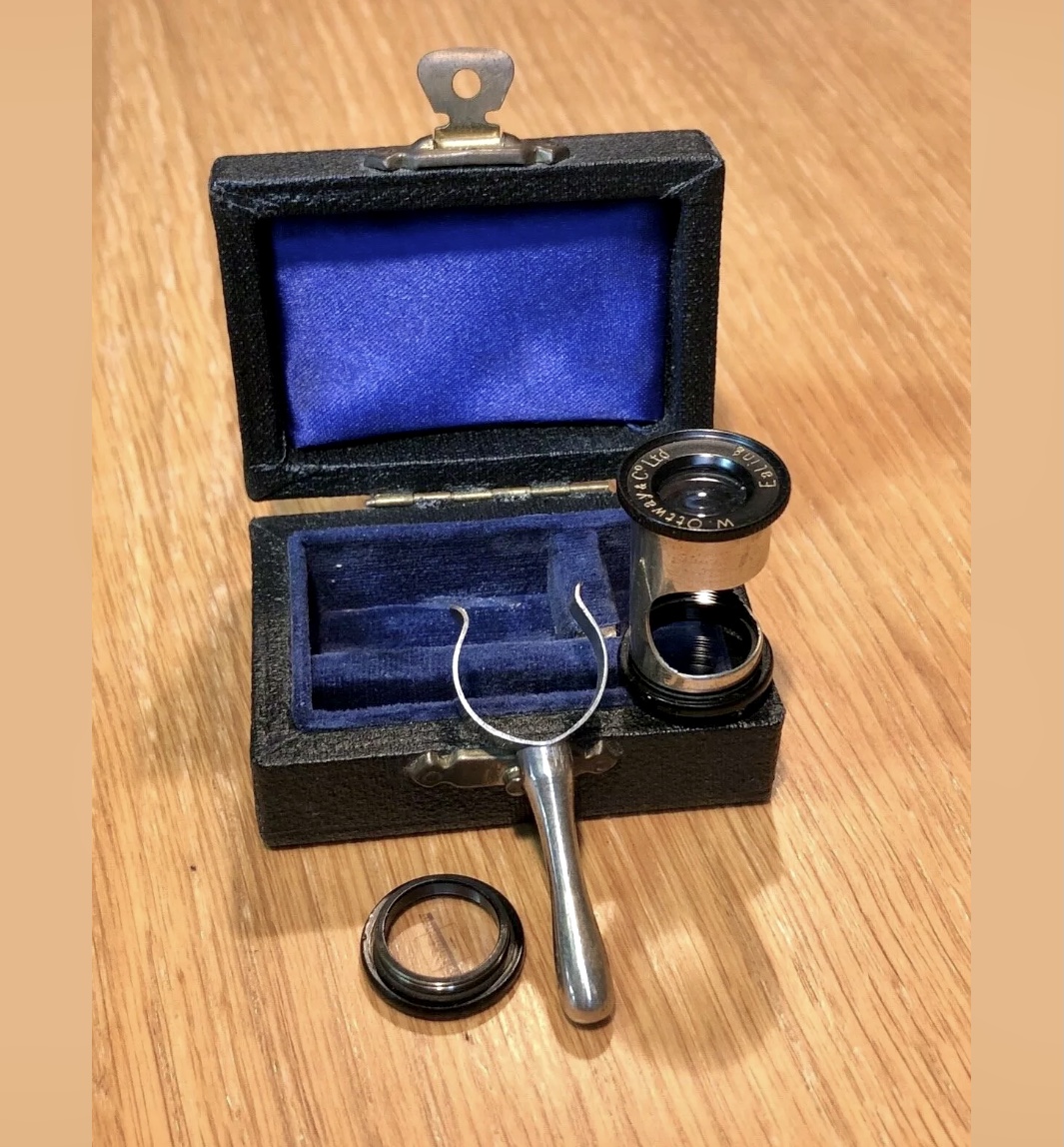
15a. Pequeña lupa portátil. Ottway & Co. Ltd. Ealing.1908.
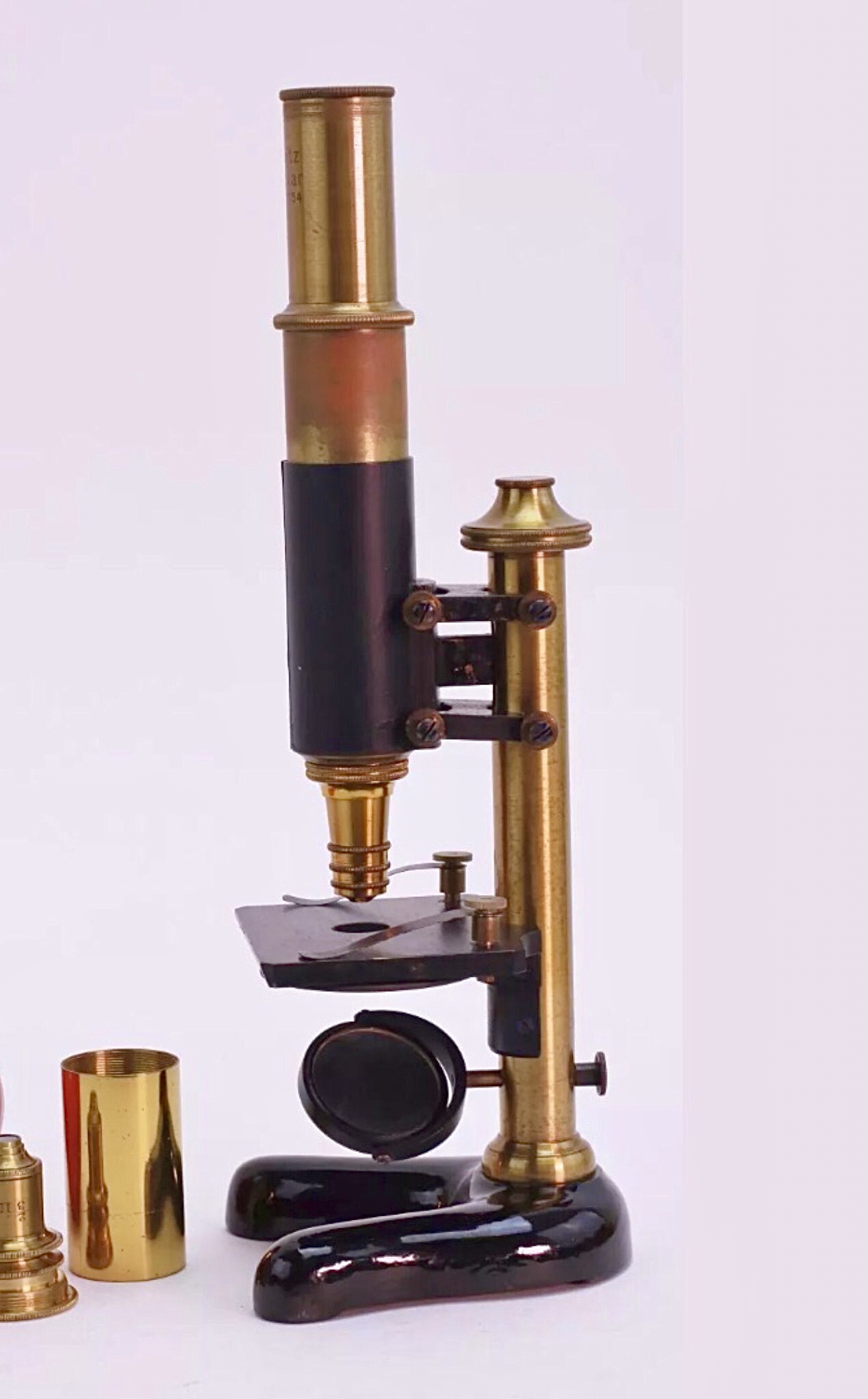
16. Microscopio monocular compuesto. W. y H. Seibert. Alemania. c. 1900.
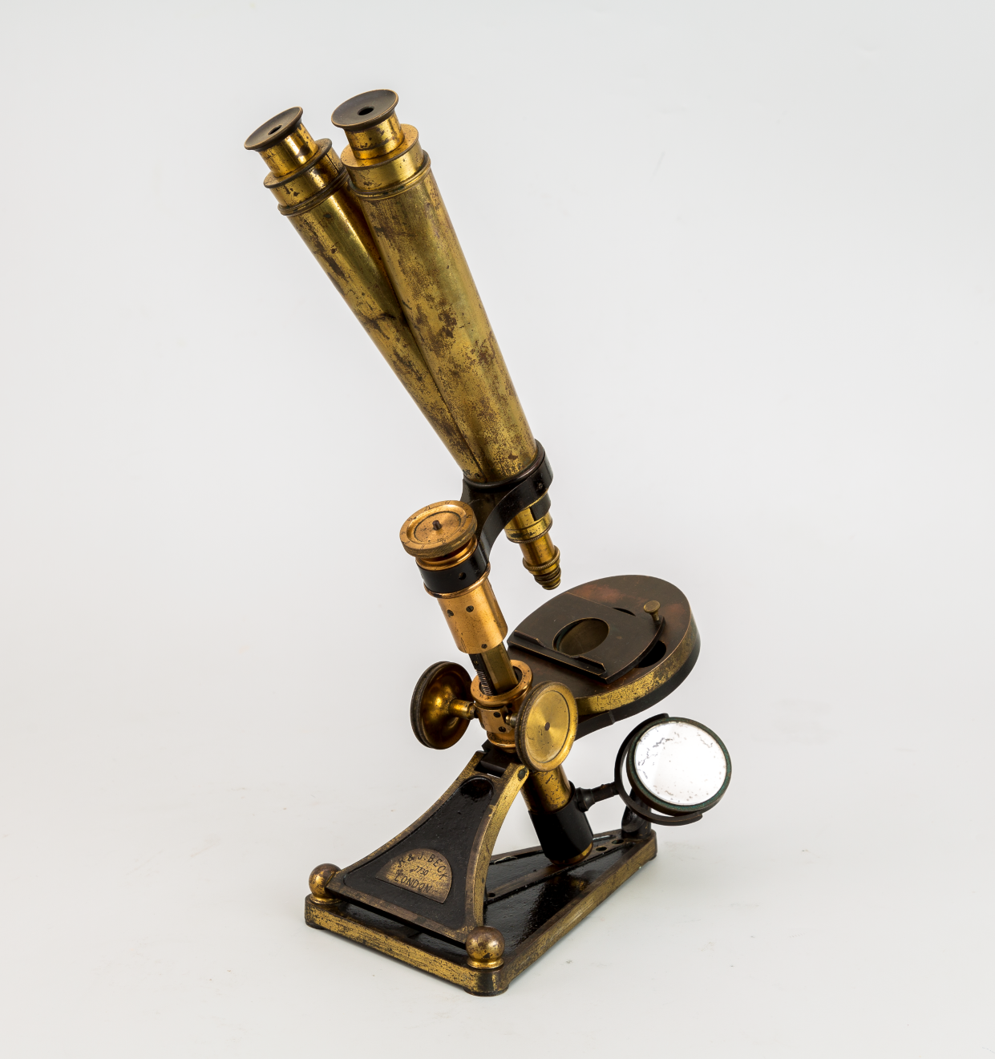
17a. Binocular modelo Popular. Beck & Beck. 1870. Londres.
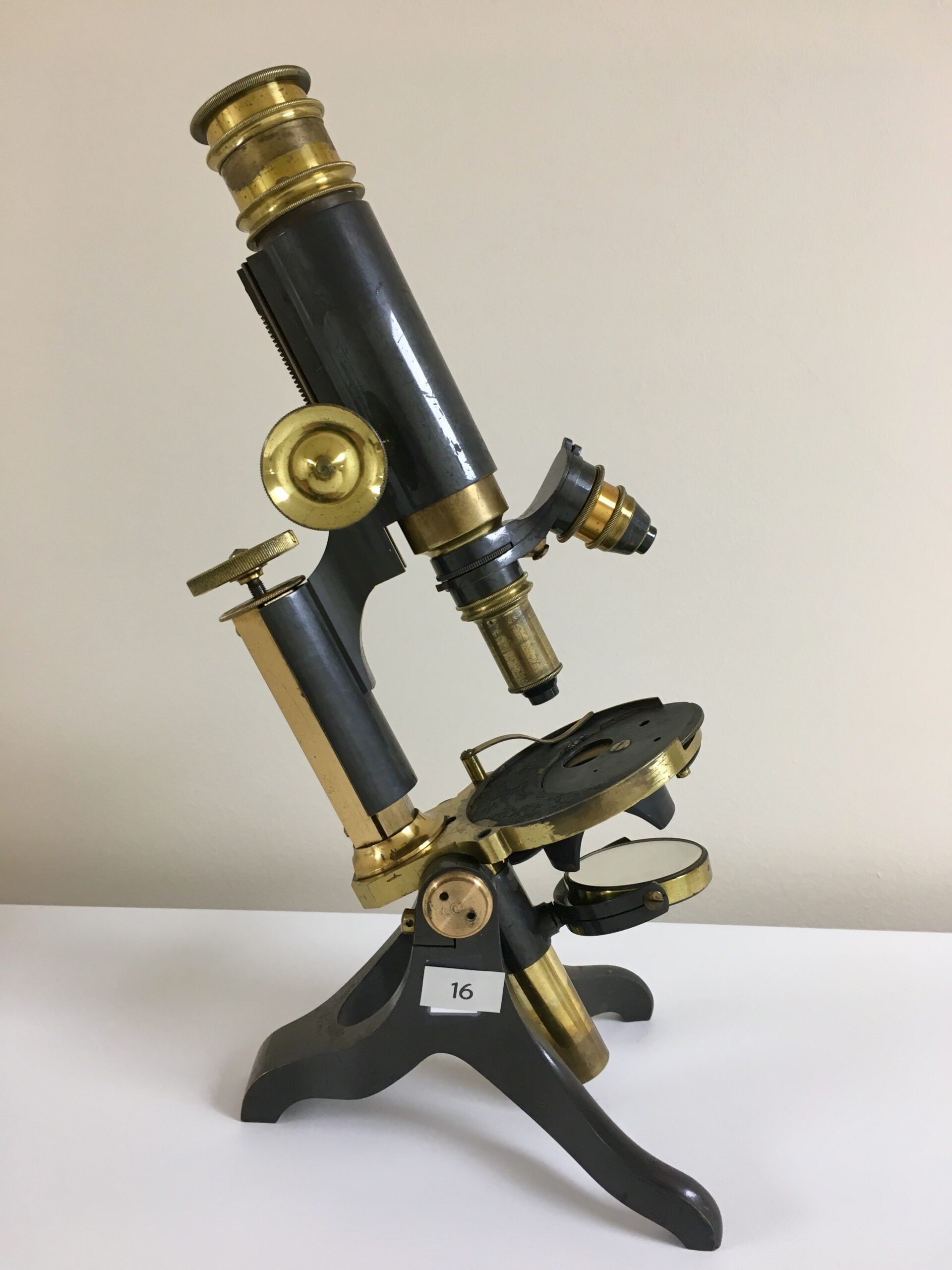
18. Microscopio monocular. Harvey Reynolds. Leeds 1900.
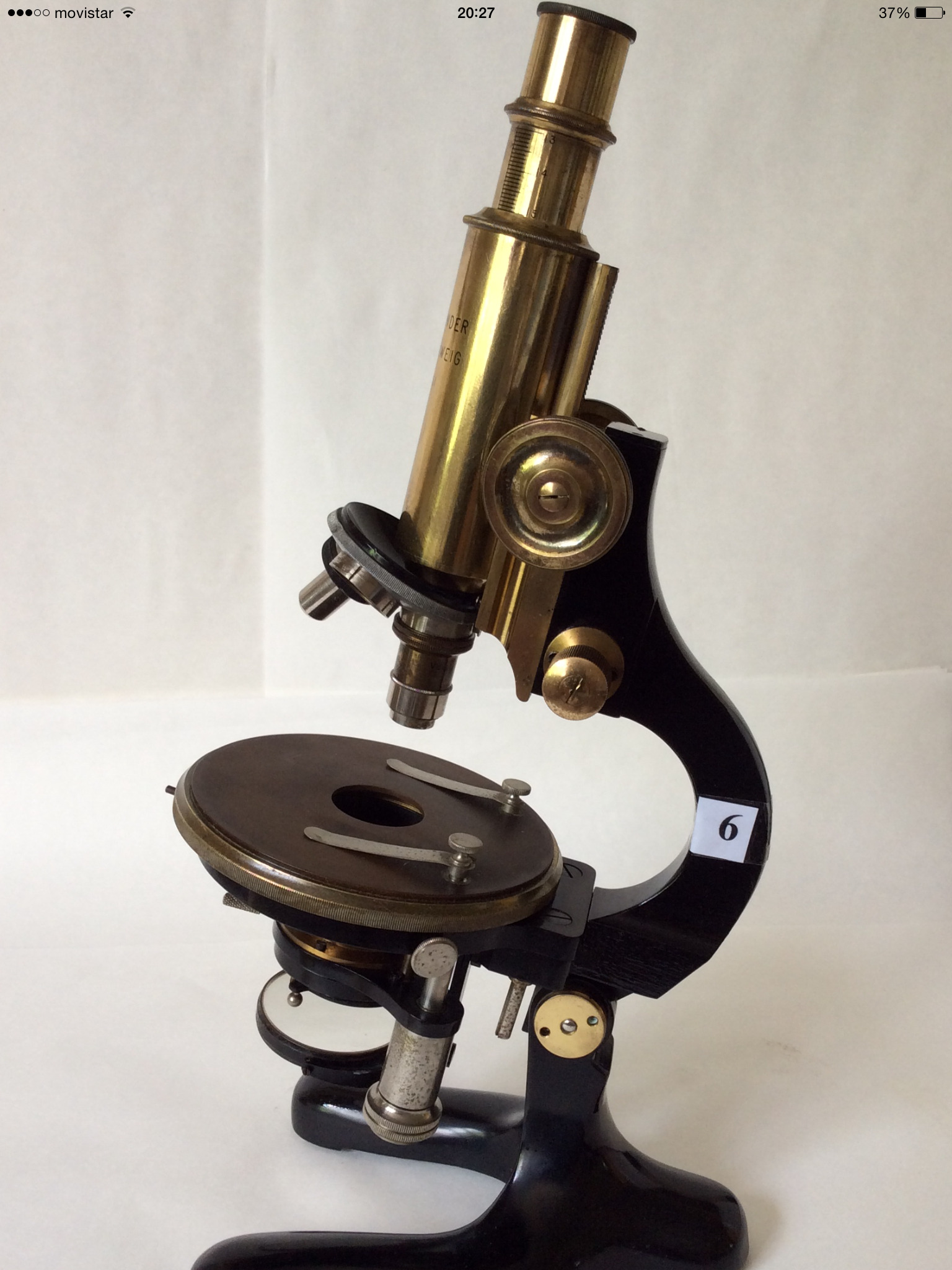
19. Microscopio monocular Ernst Leitz. Alemania 1892-1900.
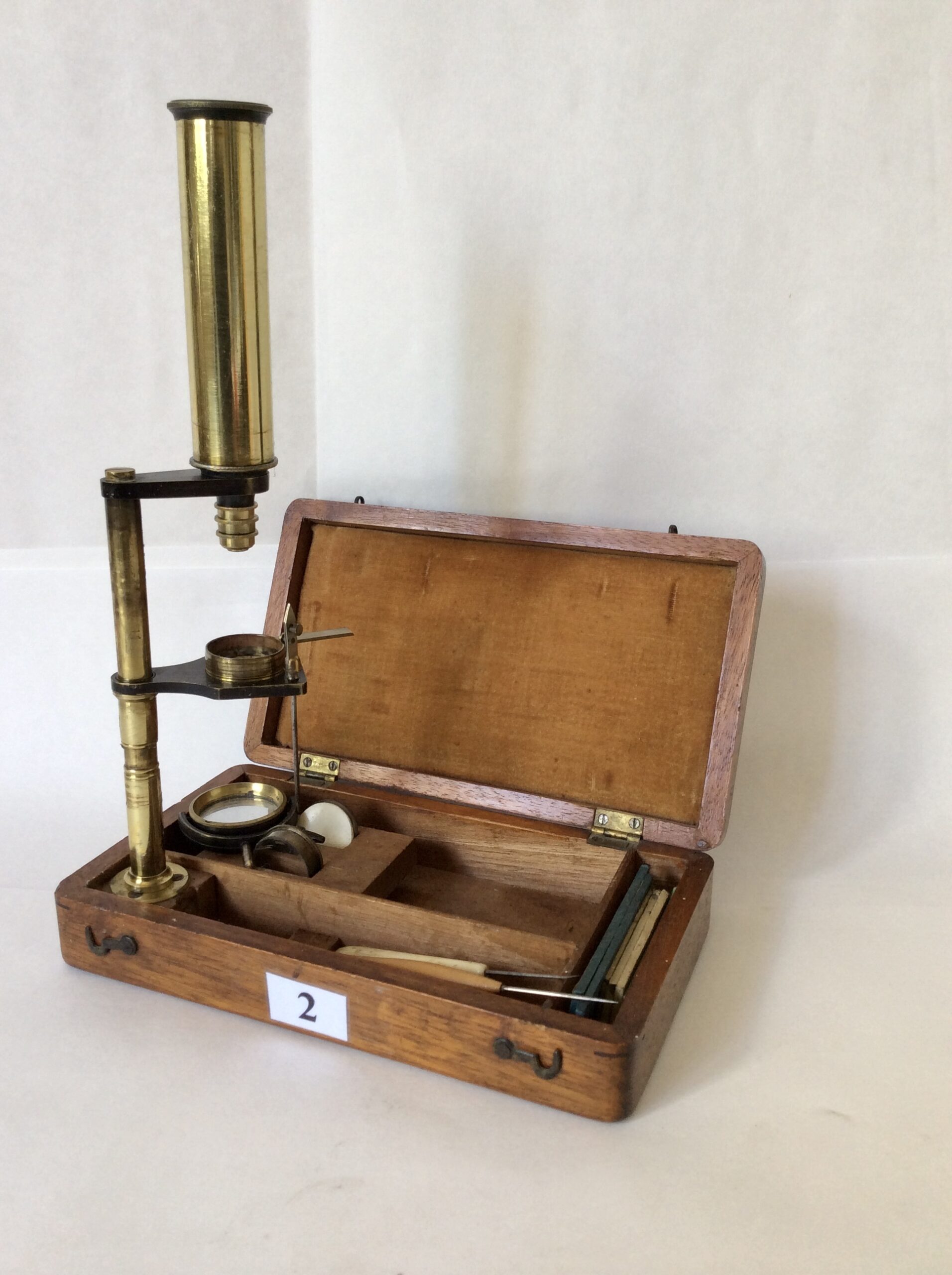
2. Microscopio monocular de “caja”. C.1730-1800. Fabricante desconocido.
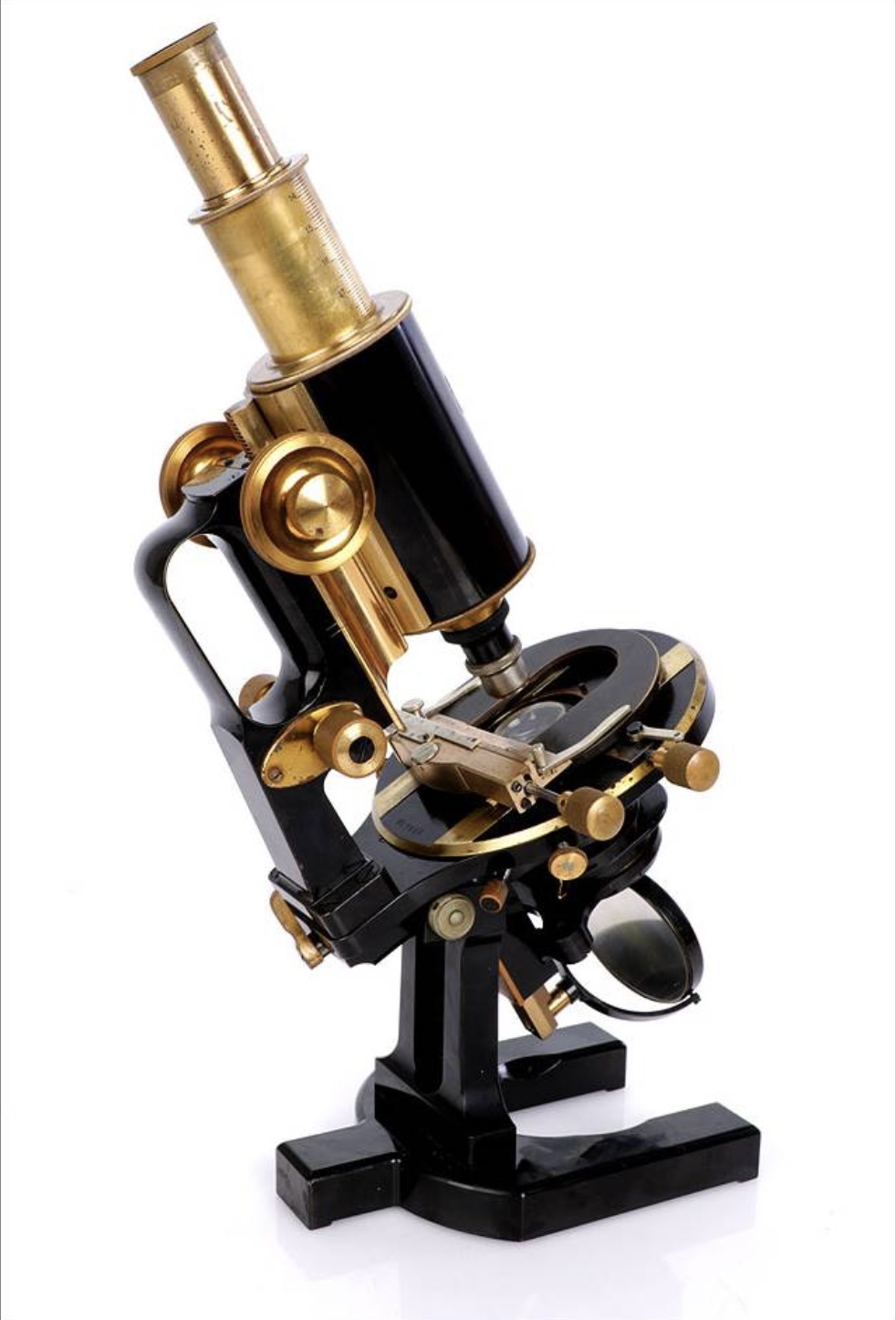
20. Microscopio monocular “asa de jarra”. C. Baker. Londres c.1895.
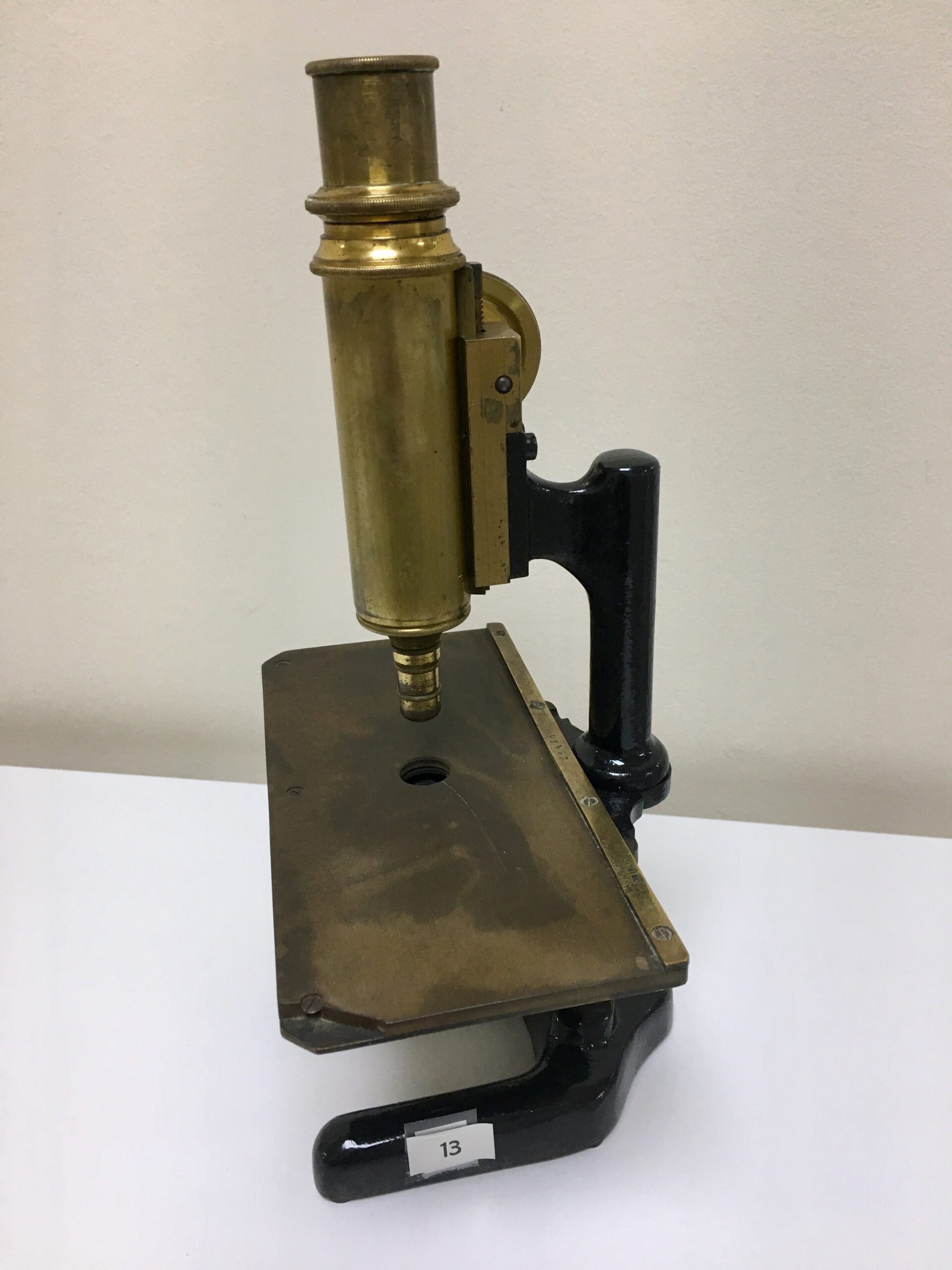
20a. Microscopio triquinoscopio de Paul Waechter. Alemania c.1920.
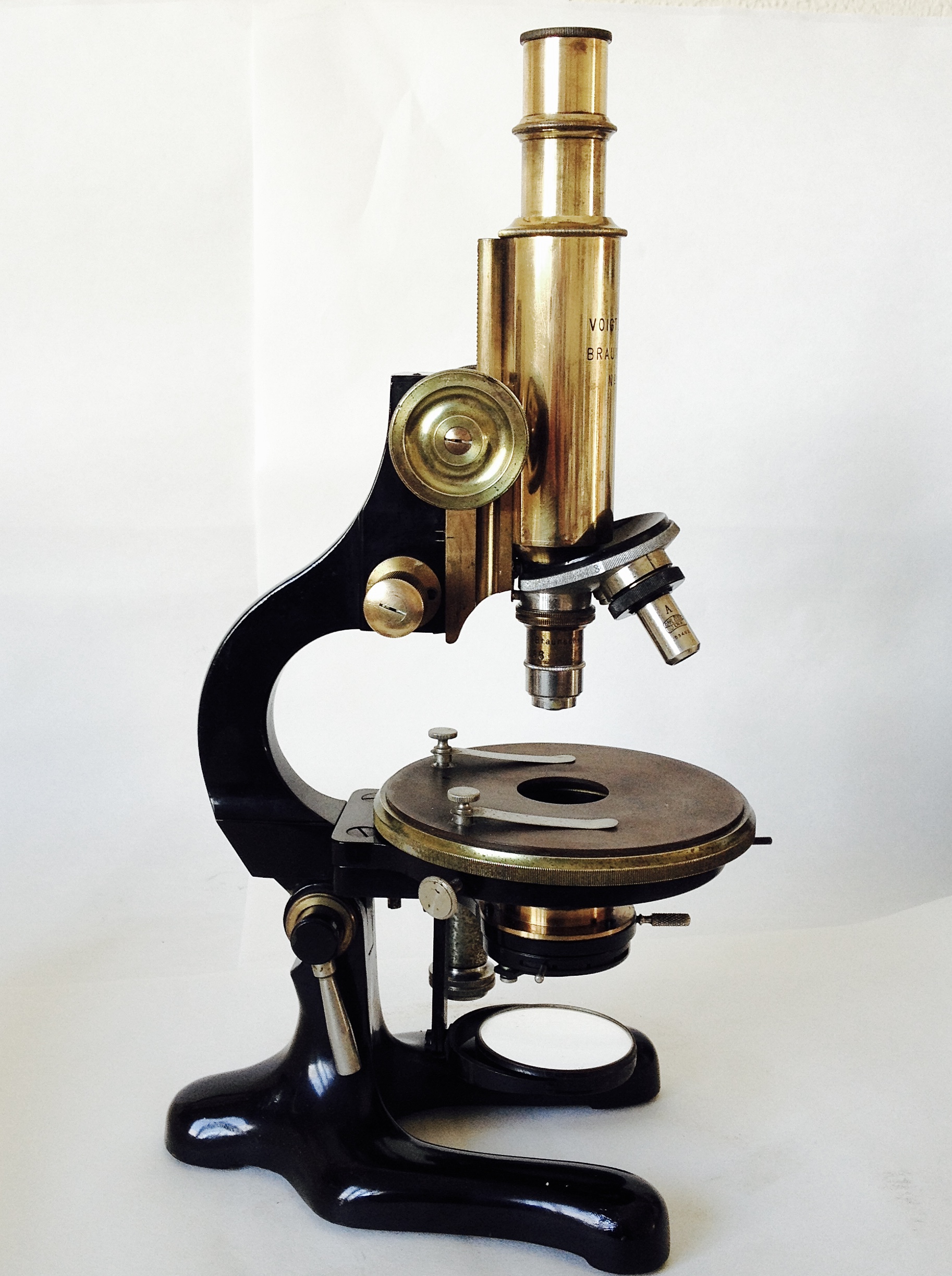
21. Microscopio monocular compuesto. Voigtländer. Alemania de 1908-1920.
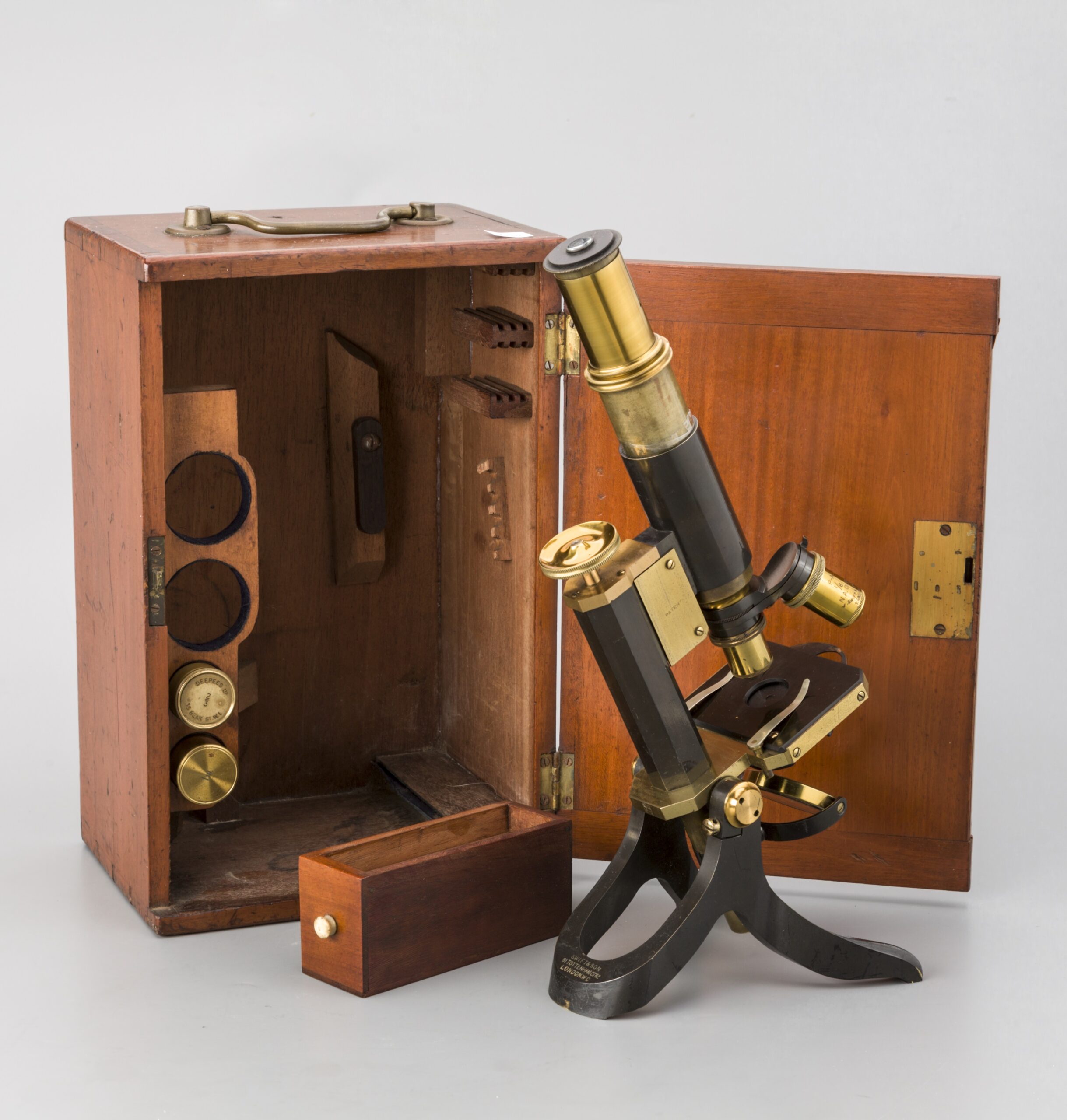
21a. Microscopio monocular. J. Swift & Son. Londres. c.1870.
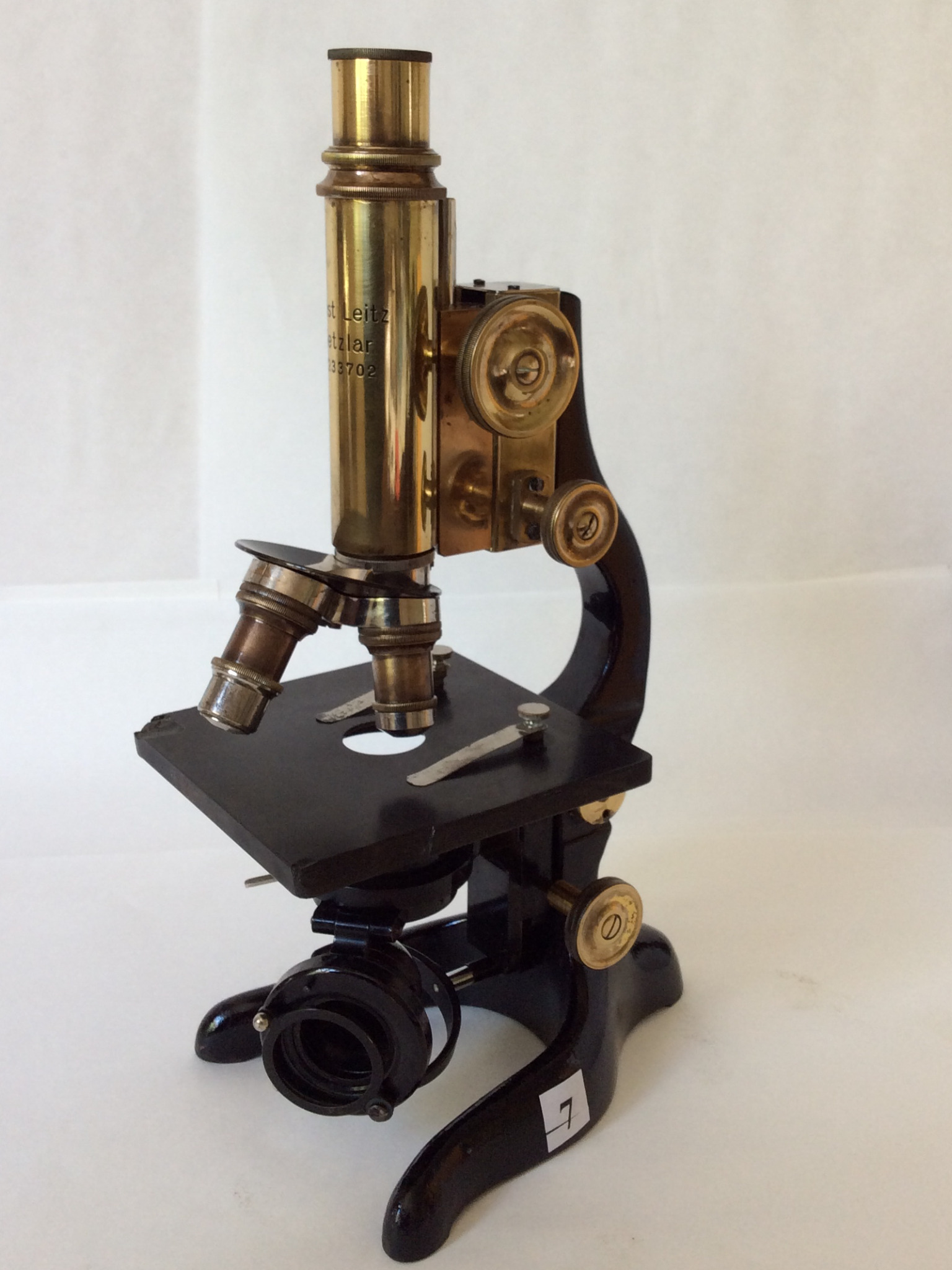
22. Microscopio monocular compuesto Leitz. Alemania. 1922
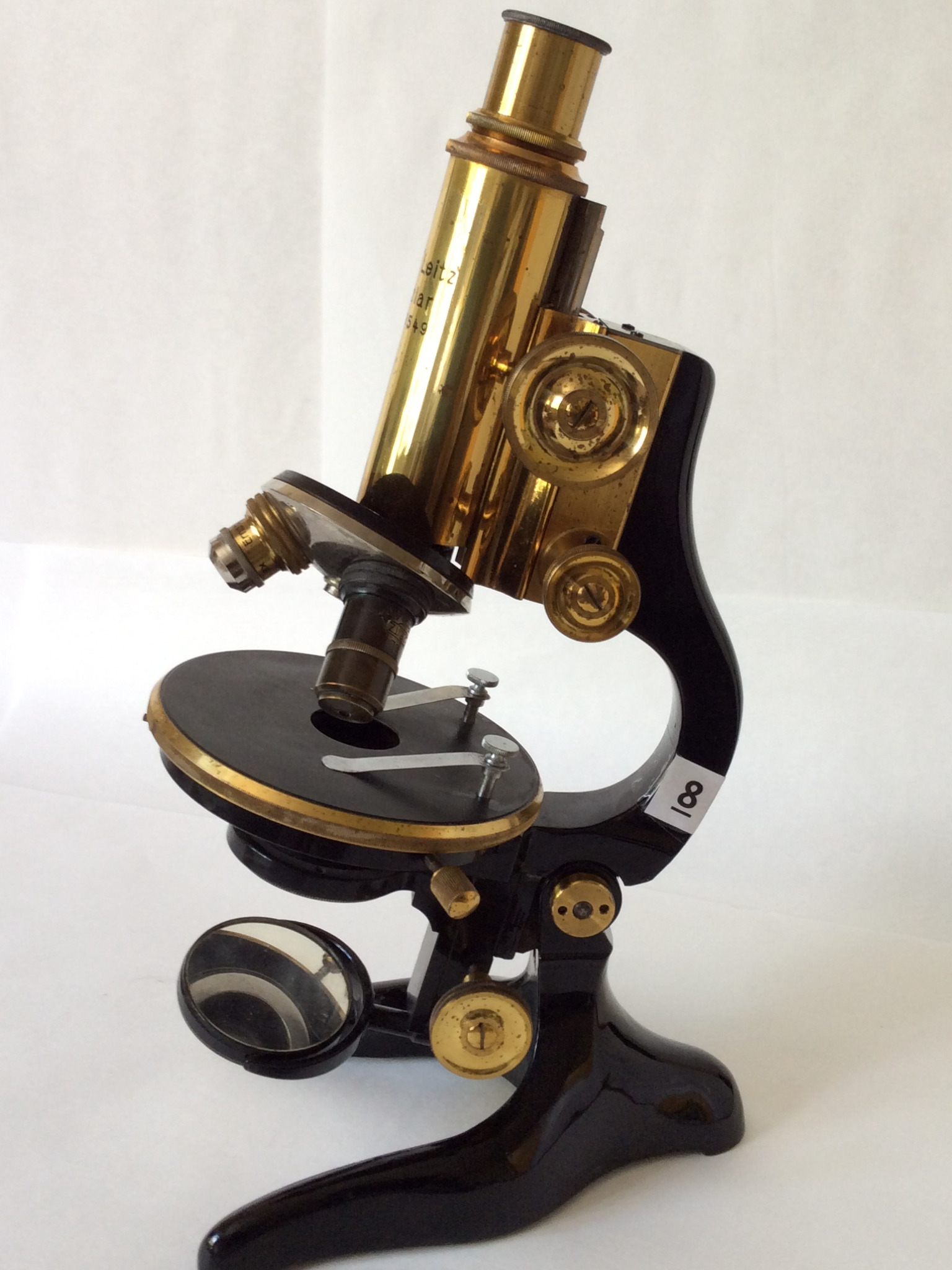
23. Microscopio monocular compuesto. Leitz. Alemania.1927
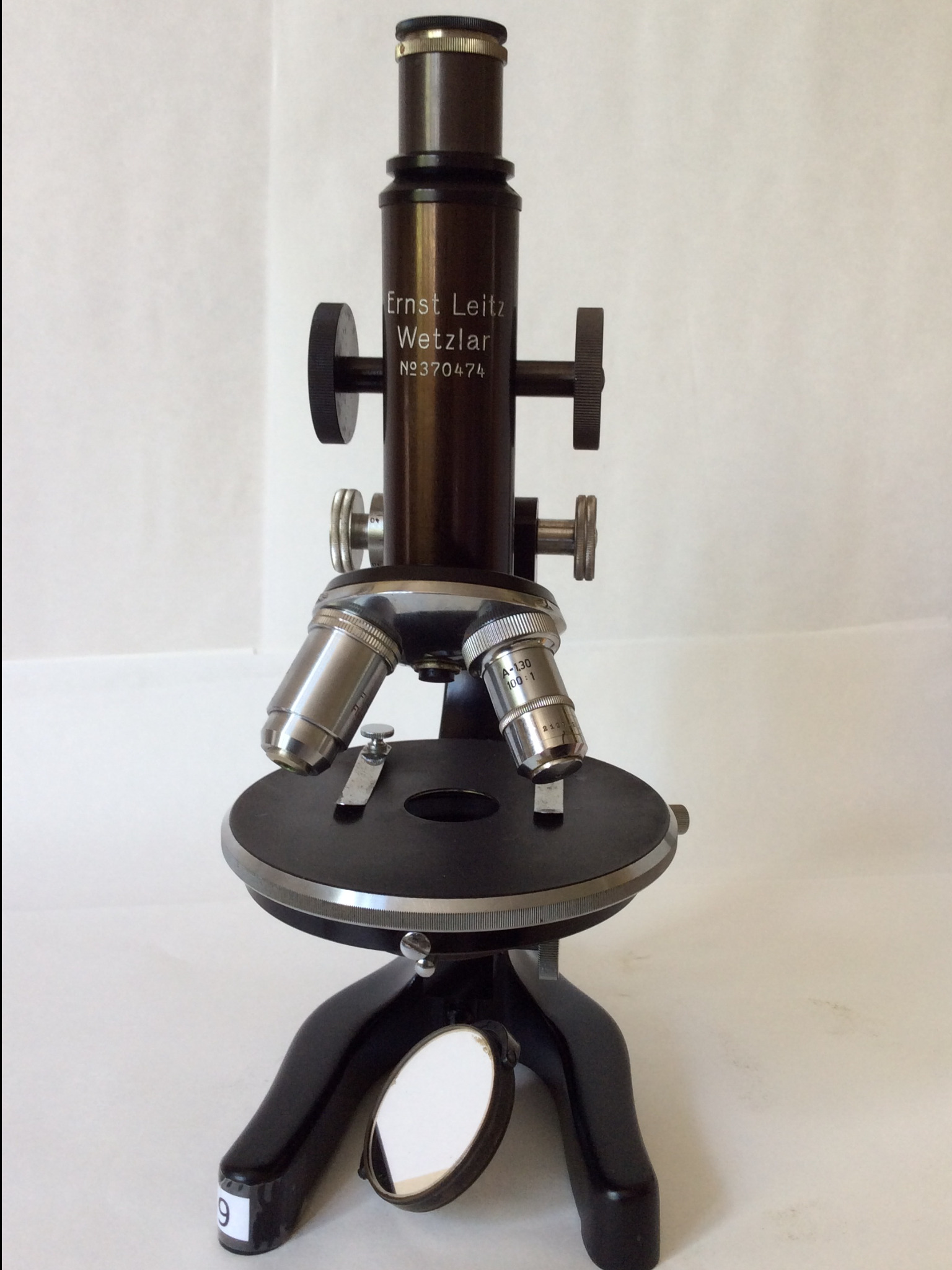
24. Microscopio monocular compuesto Leitz. Alemania. 1946
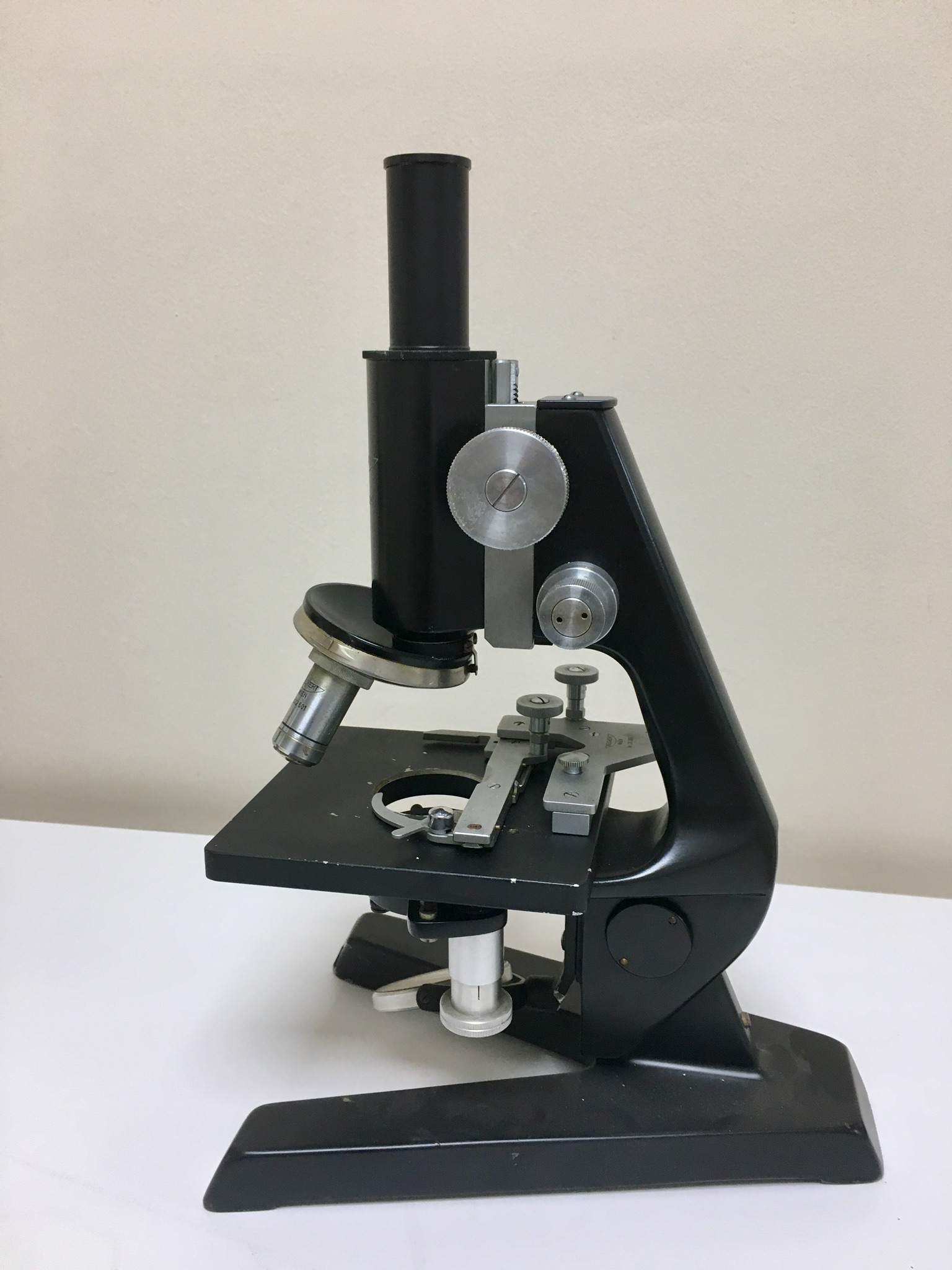
24a. Microscopio monocular. Reichert. Viena, Austria. 1946.
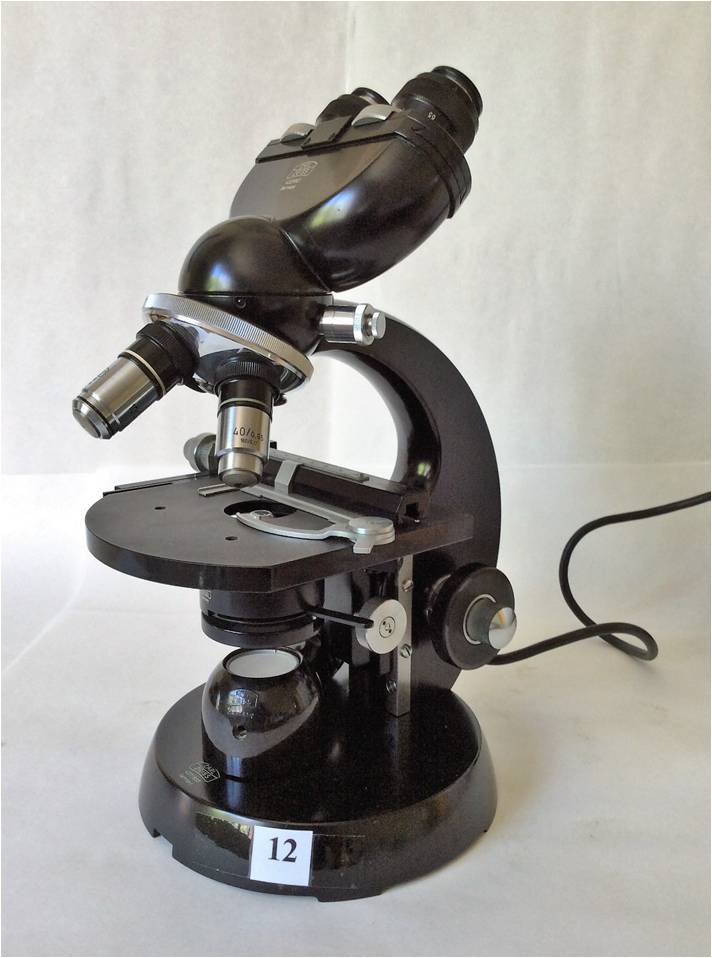
24b. Microscopio binocular Zeiss. Modelo Max. Alemania 1950.
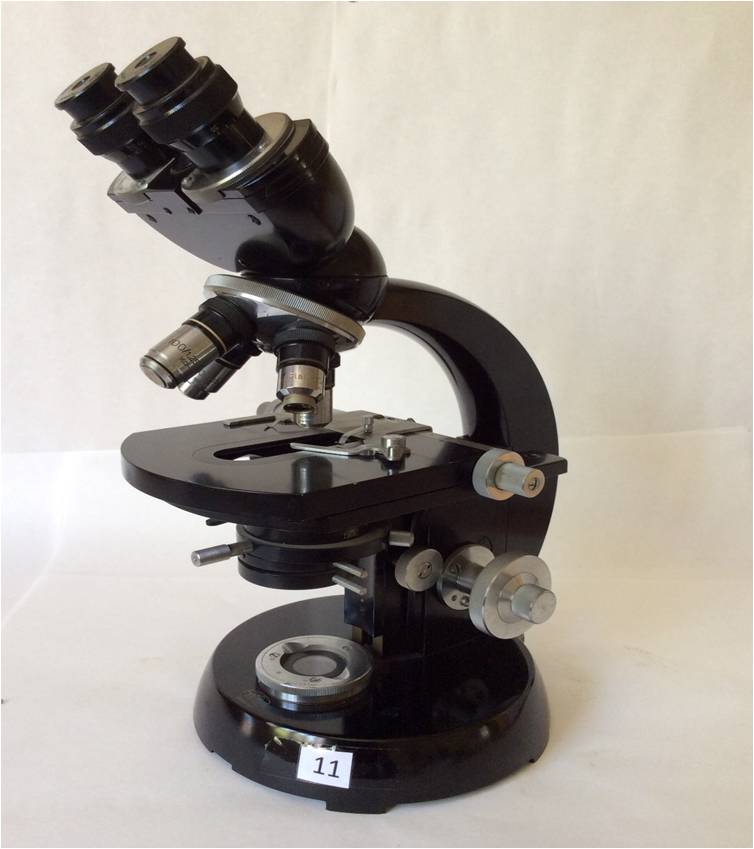
24c. Microscopio binocular Zeiss. Alemania 1960.
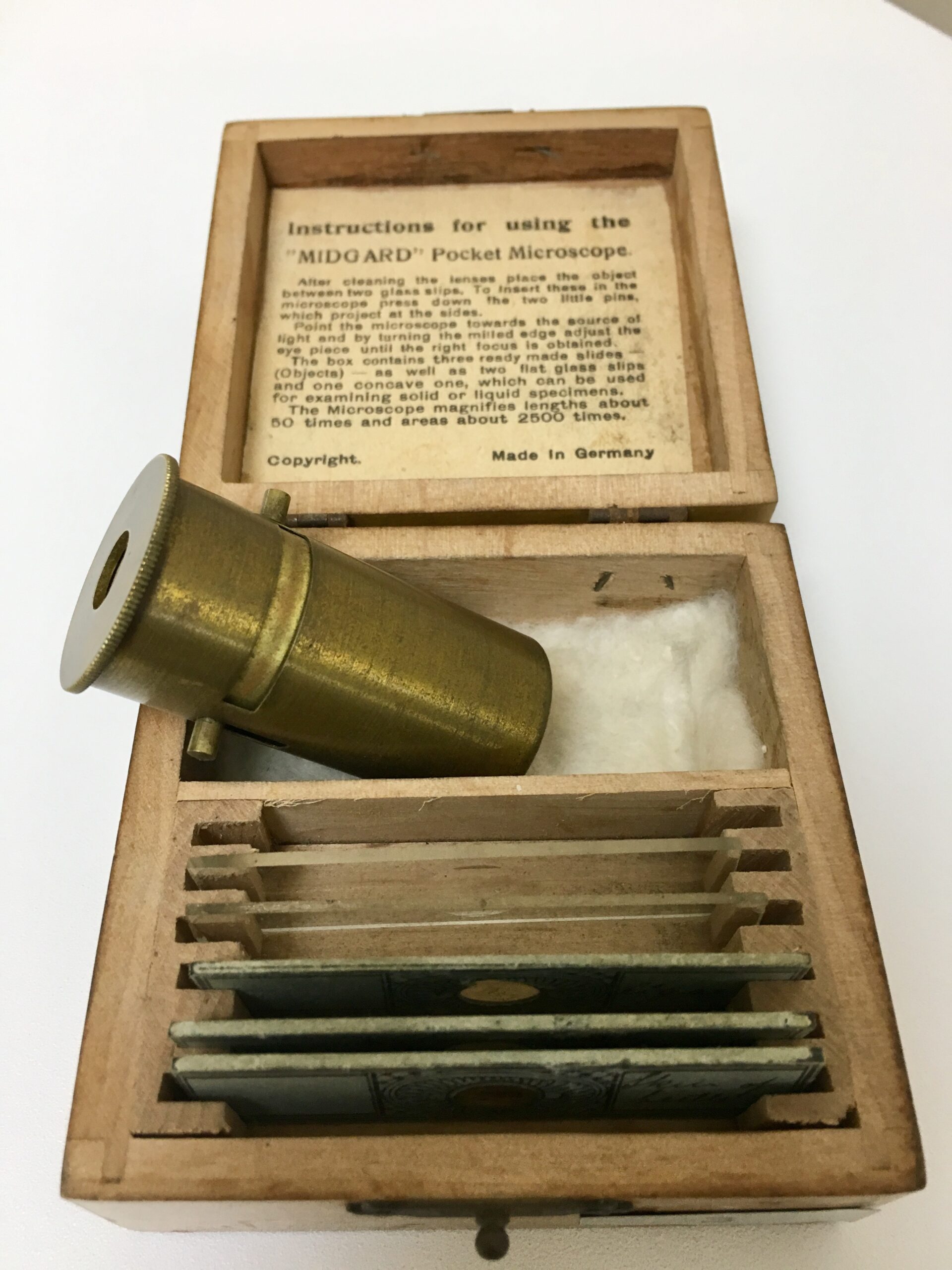
3. Microscopio de bolsillo sistema Midgard. C.1830. Fabricado en Alemania.
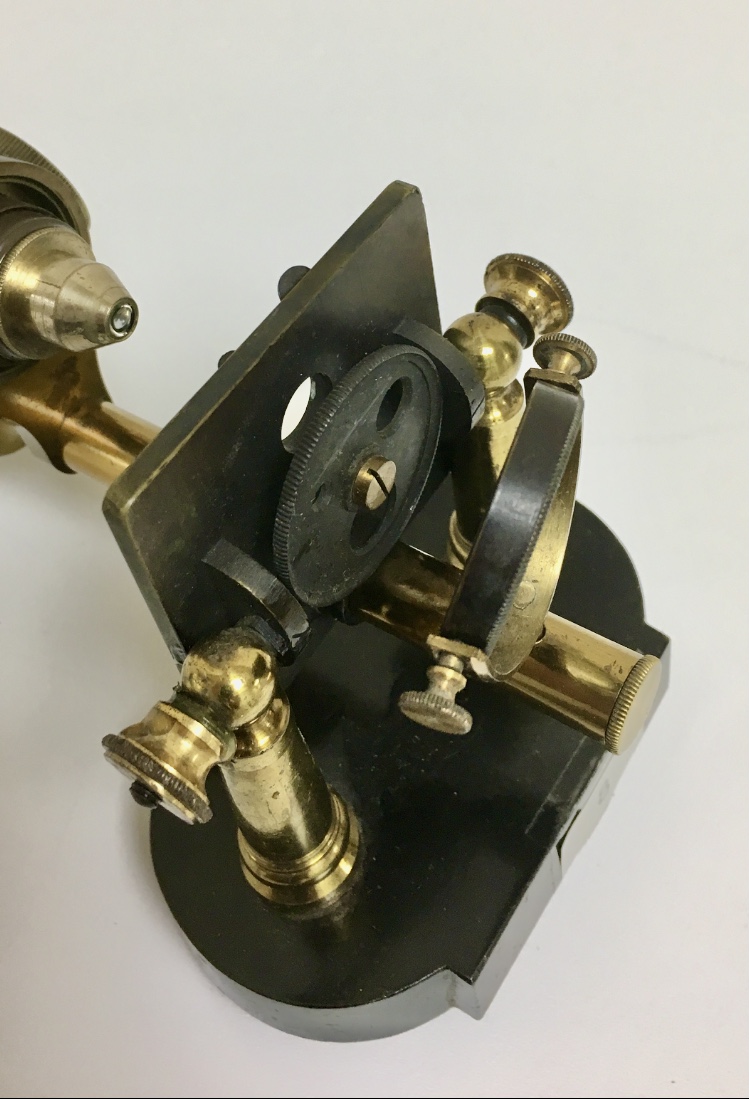
4. Microscopio monocular simple. c.1860. Fabricante desconocido.
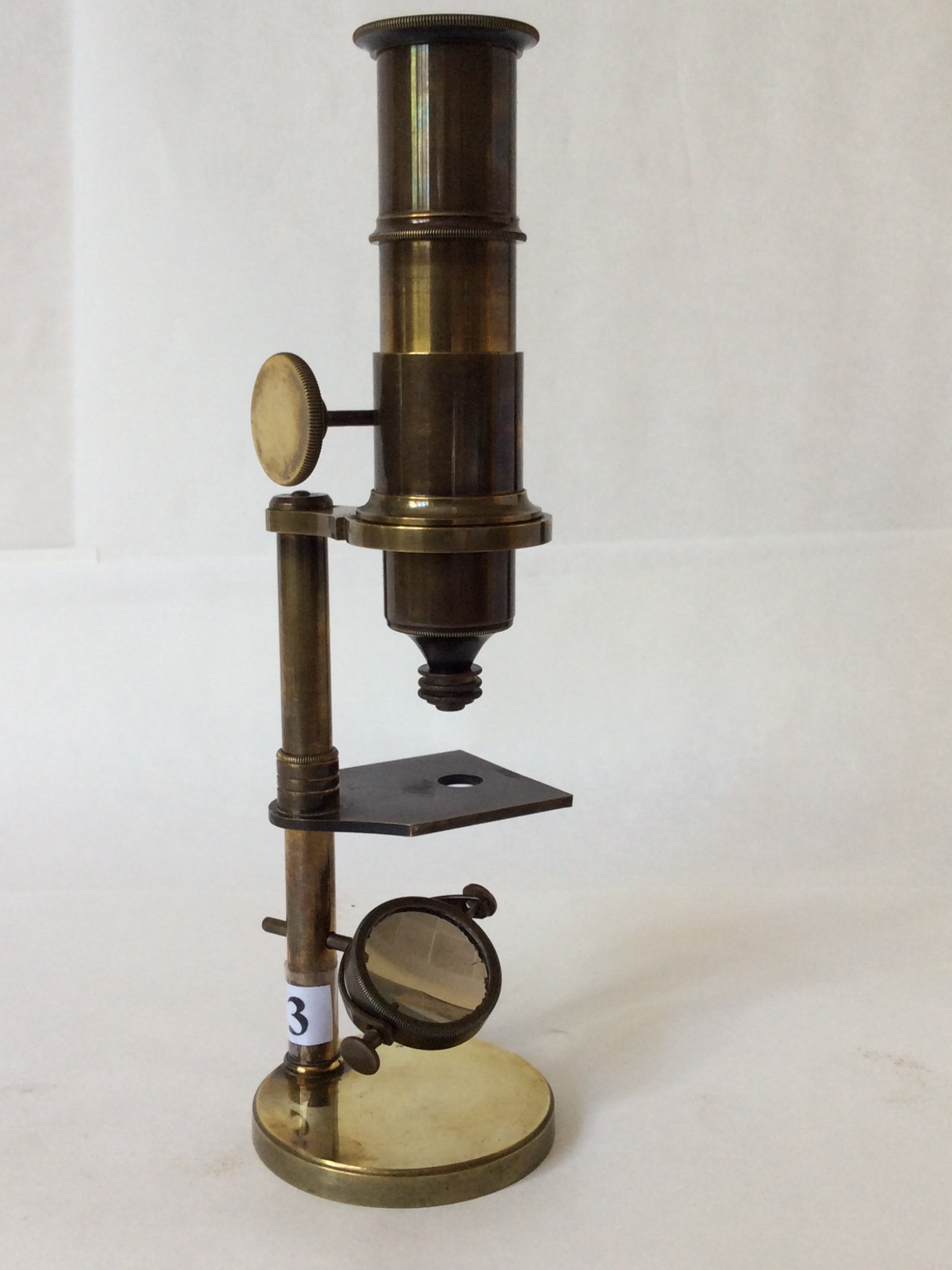
5. Microscopio monocular compuesto modelo Oberhauser. C.1860-71. Fabricante desconocido.
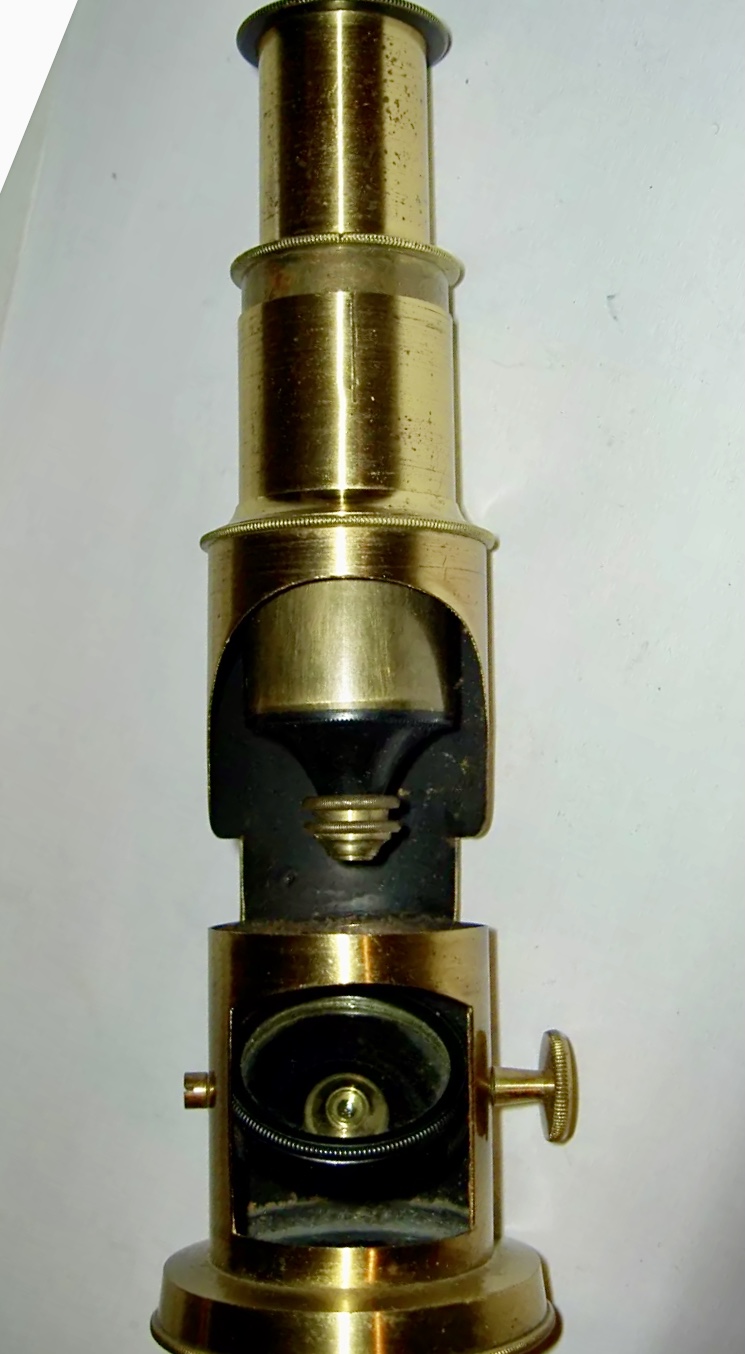
6. Microscopio de barril (barrel) o sistema de tambor (Drum). Fabricante desconocido
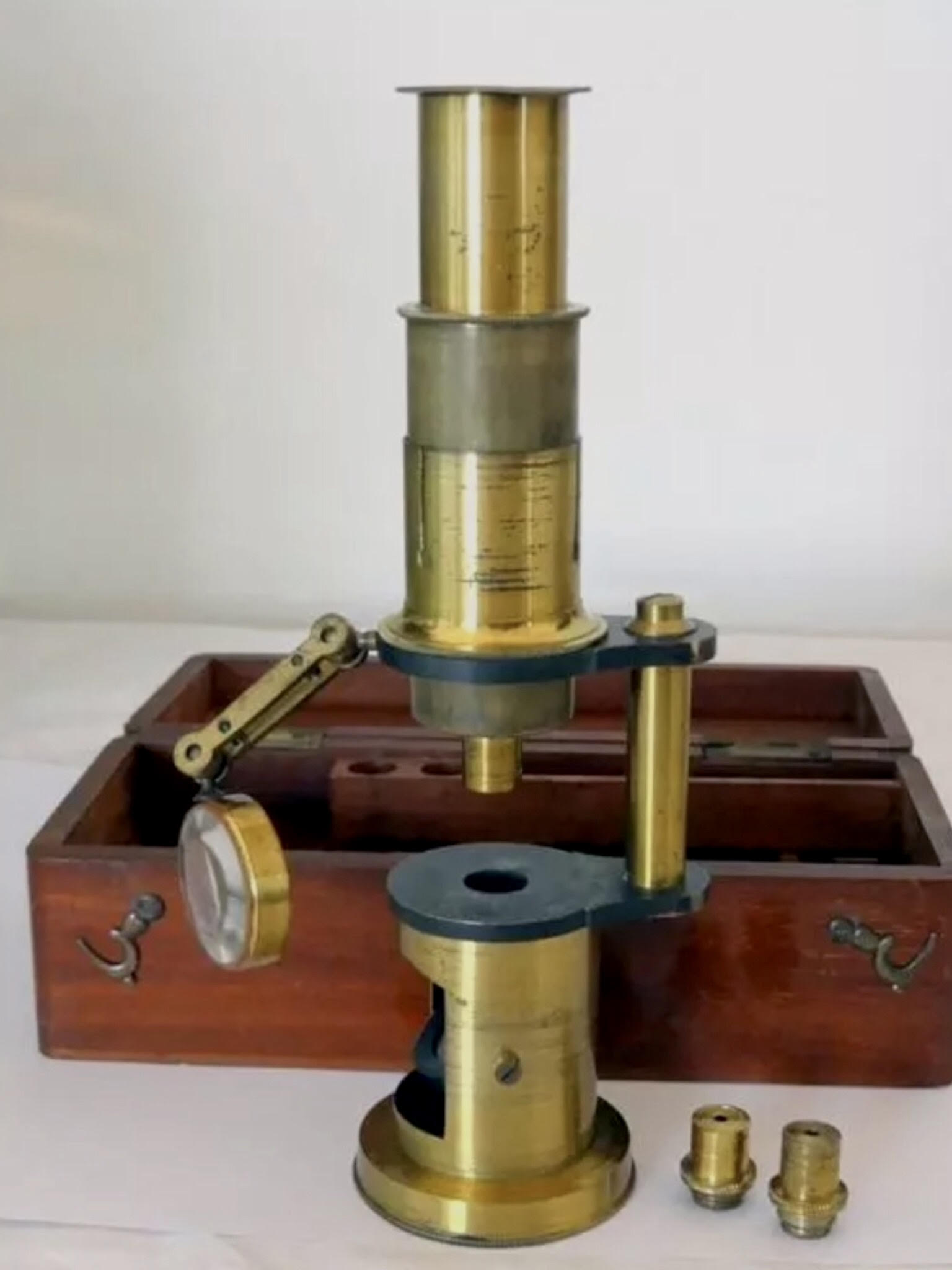
7. Microscopio de barril. Fabricante desconocido. 1850.
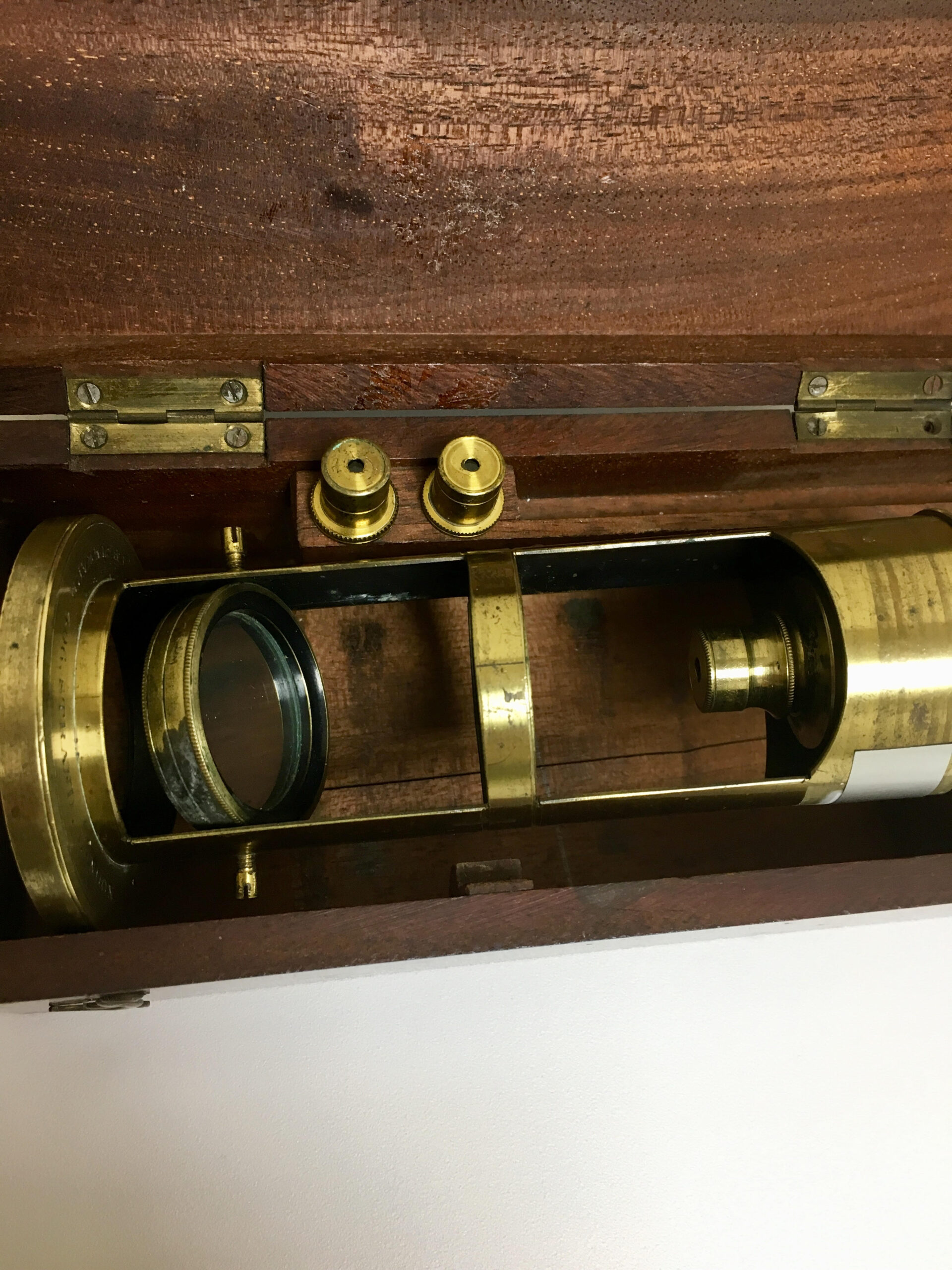
8. Microscopio de barril. Fabricante J. H. Steward. Londres. c 1870.
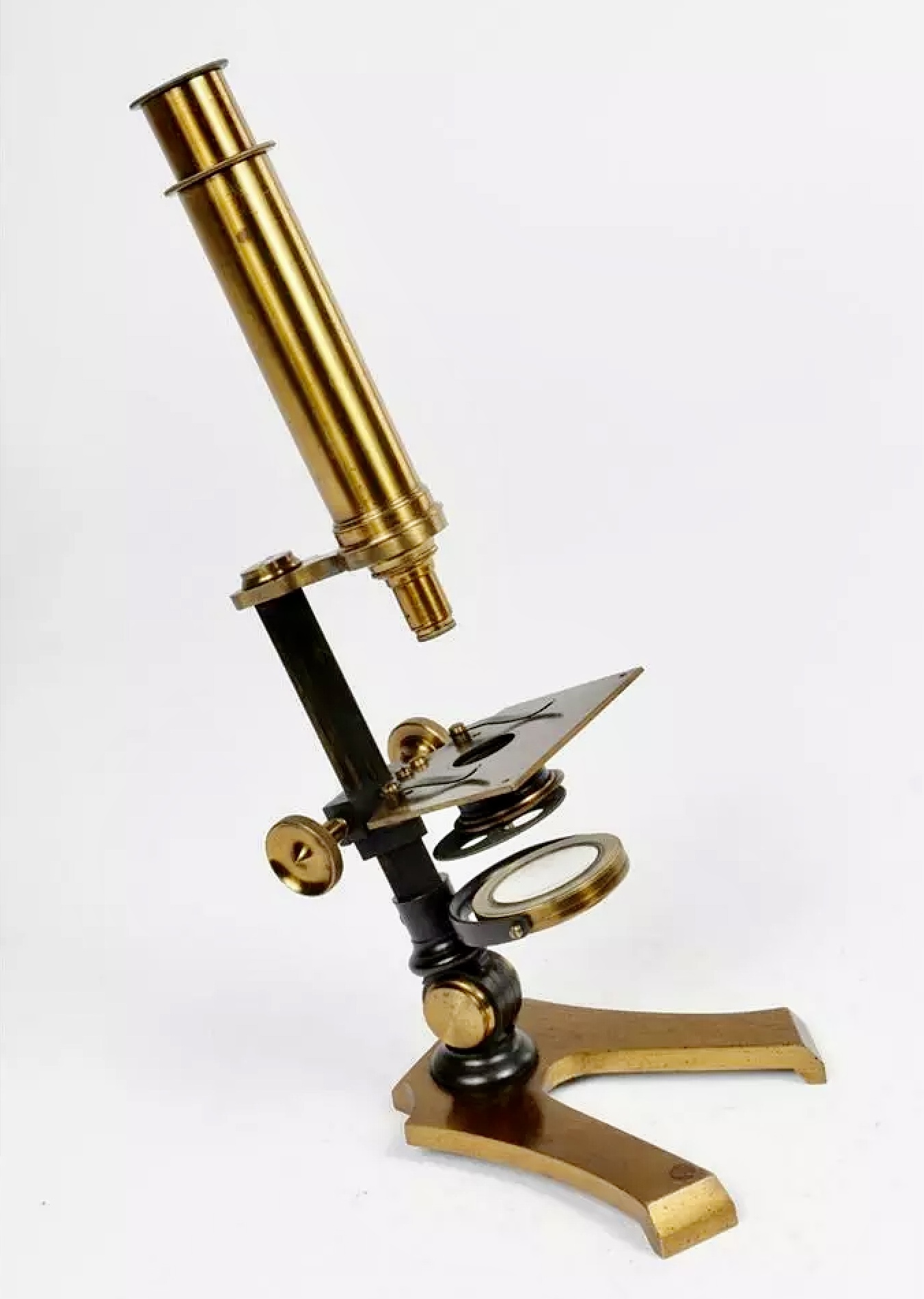
9. Microscopio monocular con enfoque inverso. Inglaterra c.1850.